Flooding paralyzes Sri Lanka’s capital as Cyclone Ditwah death toll climbs toward 200

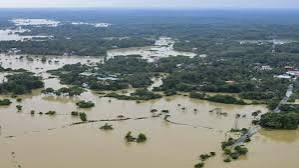
Large sections of Sri Lanka’s capital, Colombo, were submerged on Sunday after days of torrential rainfall linked to Cyclone Ditwah battered the island nation, triggering widespread floods, mudslides, and destruction.
Disaster officials say the storm has claimed nearly 200 lives, with many more still missing.
Emergency teams are only just gaining access to the worst-hit central districts, where toppled trees, collapsed embankments, and severe landslides had cut off several communities for days.
As roads reopened, authorities began to uncover the full scale of the chaos left behind by the storm, which has forced thousands into temporary shelters.
The Disaster Management Centre (DMC) reported that at least 193 fatalities had been confirmed, while 228 people remained unaccounted for after a week of relentless downpours.
The Kelani River, which flows through northern Colombo, overflowed after rapidly rising overnight, pushing floodwaters into densely populated neighbourhoods.
“Even though the cyclone has moved past our shores, the rainfall from upstream continues to swell the river and inundate low-lying settlements,” a senior DMC official explained.
Across Colombo’s suburbs, residents continued evacuating on foot and by boat.
In Wennawatte, a 46-year-old woman identified as Selvi was seen carrying what belongings she could salvage as she left her flooded home with her family.
“My house is underwater. I don’t know where to go next,” she told AFP, expressing hope that emergency shelters would be available.
In Manampitiya, about 250 kilometres northeast of the capital—receding waters gave way to scenes of shocking destruction.
Seventy-two-year-old shopkeeper S. Sivanandan described overturned vehicles, shattered storefronts, and homes torn apart by flood surges.
“This town has seen floods before, but nothing close to this,” he said.
While injuries have been relatively lower than expected, hospitals are facing critical shortages.
The National Blood Transfusion Service said collection drives had been disrupted by the hazardous weather, leaving blood banks with just a fraction of their daily requirements.
“We need about 1,500 units a day. Yesterday, we received only 236,” its director, Lakshman Edirisinghe, told reporters as he urged donors to visit the nearest centres.
Authorities also warned that saturated hillsides could collapse without warning.
The National Building Research Organisation declared high landslide risk levels across several mountain regions, urging residents to stay alert.
President Anura Kumara Dissanayake declared a nationwide state of emergency to speed up rescue and relief operations.
He also appealed for international assistance as the country grapples with what has become its deadliest disaster in years.
India responded first, dispatching relief packs and two helicopters for search-and-rescue missions, with two more aircraft expected.
Pakistan also announced it was sending rescue personnel, while Japan confirmed plans to send an assessment team and additional humanitarian support.
More than 25,000 homes have been destroyed, according to government figures, leaving 147,000 people in state-managed shelters.
Close to one million others have been affected or displaced to safer grounds.
Members of Sri Lanka’s army, navy, and air force have been deployed alongside civilian volunteers to clear debris, deliver supplies, and locate survivors.
Cyclone Ditwah is now considered Sri Lanka’s deadliest natural disaster since severe floods and landslides in 2017 killed over 200 people and displaced hundreds of thousands.
The island last experienced flooding of this magnitude in 2003, when more than 250 people lost their lives.