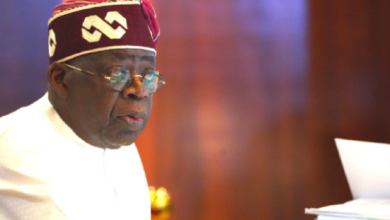
Presidency accuses Obasanjo of lacking moral ground to criticise Tinubu on security failures

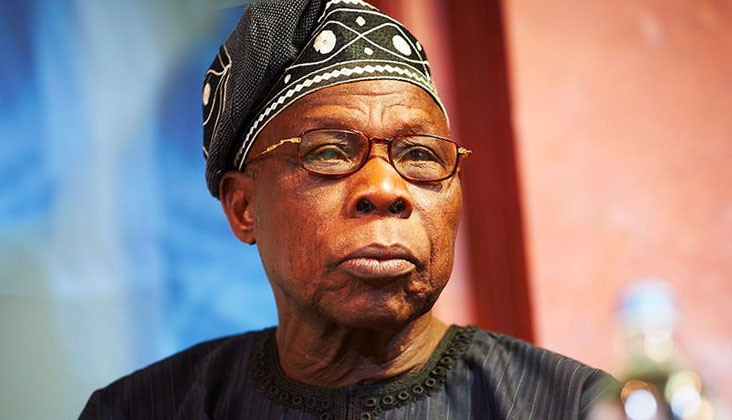
The Presidency has issued a stern rebuttal to remarks by former President Olusegun Obasanjo, insisting that he bears responsibility for allowing terrorism to gain its earliest foothold in Nigeria and therefore lacks the moral standing to berate President Bola Tinubu over the country’s deteriorating security climate.
Chief Obasanjo, speaking at a public engagement in Jos, Plateau State, on Friday, had argued that Nigerians were entitled to seek assistance from foreign governments, claiming the current administration had been unable to guarantee their safety.
Obasanjo’s comments triggered swift pushback from the Presidency, which described his suggestion of seeking external intervention as both irresponsible and unbecoming of a former head of state.
In a statement shared on X by the President’s Special Adviser on Media and Public Communication, Sunday Dare, the Presidency accused Obasanjo of ignoring his own shortcomings while attempting to portray the Tinubu administration as inept.
According to the statement, the roots of the terror networks now troubling Nigeria began to appear during Obasanjo’s civilian administration, a period it said was marked by a failure to recognise and suppress early extremist activity.
The Presidency argued that key ideological cells linked to Boko Haram emerged while Obasanjo was in power, insisting that insufficient action at the time allowed extremist groups to mature into formidable regional threats.
It added that the consequences of those lapses eventually snowballed into violent insurgency, cross-border terrorism, and alliances between local extremists and global jihadist movements.
The statement criticised Obasanjo for encouraging Nigeria to consider outsourcing elements of its security challenge to foreign countries, saying such a stance amounts to relinquishing sovereignty rather than demonstrating leadership.
The Presidency maintained that, although the Tinubu administration welcomes cooperation with friendly nations, particularly the United States and other strategic partners, it had no intention of handing over internal security responsibilities to outsiders.
The Presidency also painted a grim picture of the security landscape, describing Nigeria as being confronted by a complex web of terrorist actors, including international groups, Sahel-based affiliates of ISIS and al-Qaeda, locally grown extremist gangs masquerading as bandits, and criminal-terrorist networks operating across porous border regions.
These organisations, it said, shared a unified objective: to undermine the Nigerian state and terrorise its citizens.
While acknowledging the severity of the threat, the Presidency maintained that the government is committed to tackling it without surrendering national autonomy.
It stressed that international collaboration remains crucial but insisted that Nigeria would not “raise a white flag” simply because critics who failed to act during their time in office now offer public commentary.
The exchange has reignited debate over the origins of Nigeria’s security crisis, the responsibilities of past administrations, and the best strategies for restoring stability amid a persistent wave of attacks, kidnappings, and rural raids.