World Bank applauds Nigeria’s social protection programmes, pledges continued support


The World Bank has commended Nigeria’s leadership and innovation in delivering large-scale social protection programmes, describing them as expansive, forward-looking, and exemplary across Africa.
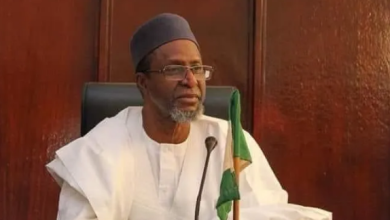
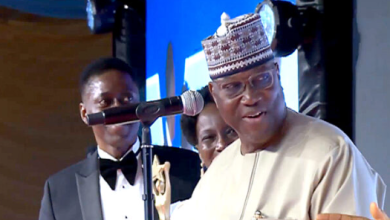
Mr. Robert Chase, the Bank’s Regional Manager for Social Protection and Labour for West and Central Africa, made the remarks during his first official visit to the Minister of Budget and Economic Planning, Senator Abubakar Bagudu, in Abuja on Wednesday.
Chase highlighted that the World Bank’s $750 million support to Nigeria under the Nigeria COVID-19 Action Recovery and Economic Stimulus (NG-CARES) initiative has catalyzed over $2.2 billion in state-level investments.
He praised the strong national ownership of NG-CARES, a programme designed to alleviate the impact of the COVID-19 pandemic on vulnerable populations, including poor households, farmers, micro and small enterprises, and communities.
“The first phase of NG-CARES will be completed this year,” Chase said, adding that additional financing is expected to take effect by December 9, with a full launch scheduled for January 2026.
The next phase will further expand cash transfers, improve identification systems, and strengthen livelihood support in line with the World Bank’s Country Partnership Framework for Nigeria.
During the visit, both the federal government and the World Bank reaffirmed their commitment to enhancing social protection systems and expanding economic opportunities for Nigeria’s most vulnerable citizens.
Senator Bagudu expressed gratitude for the Bank’s consistent support, noting that Nigeria’s macroeconomic reforms and social protection programmes have significantly benefited from the partnership.
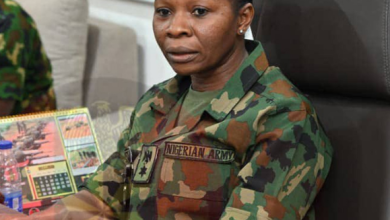
He also welcomed the ministry’s new Permanent Secretary, Dr. Deborah Odoh, to her first formal engagement with the institution, commending her strategic expertise in social policy and reform implementation.
Bagudu emphasised the constitutional mandate for federal, state, and local governments to pursue shared objectives in social welfare and inclusive development.
He stressed the importance of coherence among social protection initiatives such as NG-CARES, the Nigeria for Women Project, and the HOPE Agenda, advocating for functional ward-level governance structures to prevent duplication, resolve conflicts, and strengthen community participation.
Speaking on poverty, the minister observed that while most Nigerians are industrious, limited economic returns often trap them in poverty.
He underscored the urgency of scaling interventions that enhance livelihoods, build resilience, and expand opportunities, particularly in the face of internal displacement and multidimensional poverty.
“Mr. President has challenged us to translate these reforms into measurable improvements in people’s lives.
”Our goal is to lift millions out of poverty by 2030 through coordinated programmes, strengthened efficiency, and expanded financing,” Bagudu said.
Highlighting the ministry’s central role in coordinating national development, Bagudu stressed collaboration across all levels of government and with international partners.
He commended the World Bank delegation for its sustained commitment to Nigeria’s development, expressing confidence that the renewed engagement would unlock greater opportunities for inclusive growth.
Dr. Deborah Odoh welcomed the delegation, describing the World Bank as a longstanding and reliable partner in Nigeria’s development journey.
She noted the transformative impact of the Bank’s technical and financial support across social protection and macroeconomic reforms and assured Chase of the government’s commitment to leveraging available resources to advance President Tinubu’s vision of a more inclusive and resilient nation.
–