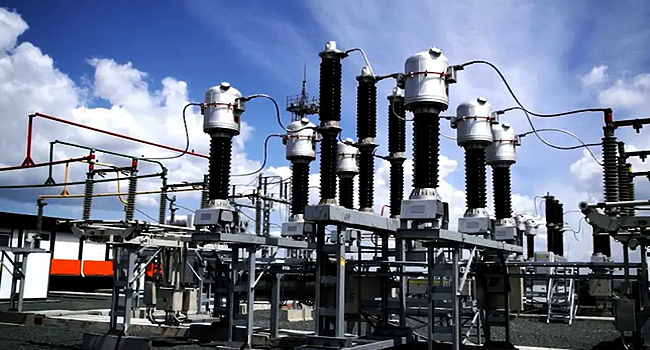
Nigeria’s national electricity grid experienced its first system collapse of 2026 on Friday, plunging large parts of the country into darkness and renewing concerns over the stability of the power sector.
The incident occurred barely weeks after a similar nationwide outage on December 29, 2025, highlighting persistent challenges within the country’s electricity transmission network.
Data from power sector sources showed that electricity generation fell dramatically from over 4,500 megawatts to as low as 24 megawatts by about 1:30 pm.
All 23 power generation plants connected to the national grid reportedly lost output during the collapse, resulting in zero electricity allocation to the 11 distribution companies across the country.
Grid collapses in Nigeria have often been linked to a mix of technical failures, ageing transmission infrastructure, poor maintenance, and sudden fluctuations in power generation.
However, as of the time this report was filed, the exact cause of Friday’s collapse had not been officially established.
Officials of the Transmission Company of Nigeria (TCN) were yet to release a detailed statement explaining the circumstances surrounding the system failure or outlining immediate corrective measures.
Electricity distribution companies began notifying customers of the development, with Abuja Electricity Distribution Company confirming that efforts were underway to restore supply gradually as the grid stabilises.
The recurring collapse of the national grid continues to raise concerns among consumers and industry stakeholders, who have repeatedly called for sustained investment in transmission infrastructure and stronger system management to prevent frequent nationwide blackouts.
Power sector analysts warned that unless long-standing structural and technical issues are addressed, grid instability may continue to undermine economic activities and public confidence in Nigeria’s electricity supply system.