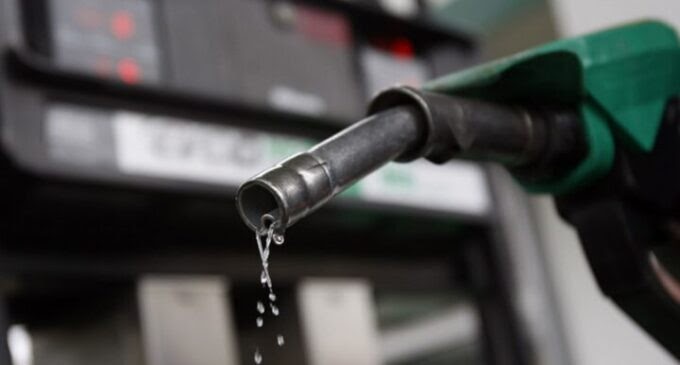
The Nigerian government has reassured citizens that the prices of petrol, diesel, and Liquefied Petroleum Gas (LPG) are expected to continue falling, thanks to increased supply, heightened competition, and sustained private sector investments in the oil and gas industry.
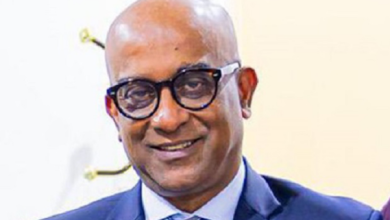
This assurance came from the Chief Executive of the Nigerian Midstream and Downstream Petroleum Regulatory Authority (NMDPRA), Mr. Saidu Mohammed, during a tour of Aradel Holdings Plc facilities in Ogbele community, Ahoada East Local Government Area of Rivers State, on Sunday.
Mohammed explained that the decline in energy prices is part of a broader trend toward making energy more affordable for Nigerians.
“The more supply we have, the lower the price. We are already seeing petrol prices fall from approximately N1,000 to N800 per litre as competition intensifies,” he said.
The NMDPRA chief attributed the current price stability to the removal of fuel subsidies, which has allowed market forces to operate more efficiently.
“Sustained competition, rather than subsidies, will guarantee adequate supply of petrol and gas at affordable prices for Nigerians,” he added.
Mohammed also emphasised the need for additional refineries with modern conversion capacities to produce diesel, fuel oil, naphtha, LPG, and petrol.
He revealed that Nigeria’s long-term goal is not only to satisfy domestic consumption but also to export petroleum products to Africa, Europe, and the Americas.
“Domestic demand must be fully met before large-scale exports can take place,” he stated.
Highlighting government support, he noted that President Bola Tinubu’s administration champions a free-market economy, with subsidy removal being a major initial policy step.
This move, Mohammed explained, has unlocked private sector participation and driven investment across the oil and gas value chain.
Regarding state-owned refineries, he said operational oversight largely rests with the Nigerian National Petroleum Company Limited (NNPCL), but the NMDPRA is actively collaborating with NNPCL to ensure the delivery of crude oil and petroleum products to refineries in Port Harcourt and Warri.
“Once product loading resumes, Nigerians will begin to feel the economic benefits, even before full refinery operations,” he said.
On the contribution of local operators, Mohammed praised Aradel Holdings for demonstrating that Nigerians can design, finance, build, and operate world-class energy infrastructure.
He noted that the company has supplied gas to Nigeria Liquefied Natural Gas (NLNG) for over a decade and operates an 11,000-barrels-per-day refinery alongside a virtual gas pipeline delivering compressed natural gas nationwide.
Aradel’s ongoing expansion, Mohammed disclosed, is expected to allow petrol loading from its facility before the end of 2027.
He stressed the importance of continued investment in refining, noting that even large-scale facilities like the Dangote Refinery alone cannot meet both domestic and international demand.
Describing the midstream sector as a key driver of Nigeria’s economic growth, he said it has the potential to stimulate manufacturing, power generation, transportation, and other productive sectors.
He assured that NMDPRA would continue offering regulatory incentives to attract large-scale investments into the sector.
Responding, Aradel Holdings’ Managing Director, Mr. Adegbite Falade, expressed appreciation for the regulatory support.
He reaffirmed the company’s commitment to expanding refining capacity, commercializing gas, and reducing routine gas flaring.
“We are confident in meeting rising demand while continuing to scale operations, add local value, and prioritise domestic energy needs,” Falade said.