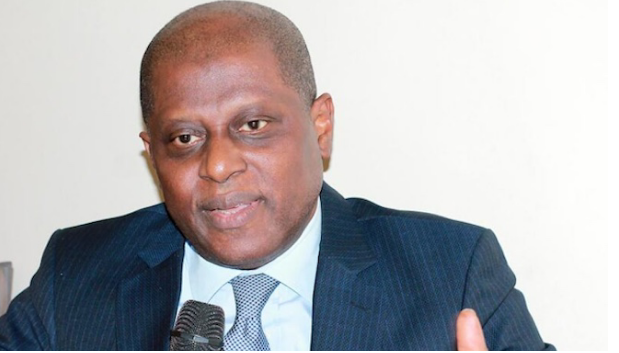
The Governor of the Central Bank of Nigeria (CBN), Mr. Olayemi Cardoso, has reiterated his commitment to deepening financial sector reforms and attracting long-term investment during a meeting with a delegation from British International Investment (BII).
The meeting, held in Abuja, brought together BII officials led by Chair Ms. Diana Layfield, and the British High Commissioner to Nigeria, Mr. Richard Montgomery, in what was described as part of ongoing efforts to strengthen Nigeria’s financial architecture.
Speaking at the engagement, Cardoso emphasized that the CBN remains committed to macroeconomic stability, credible monetary policy, and a transparent, data-driven regulatory framework.
He said these measures are aimed at enhancing the resilience of the banking system, improving financial intermediation, and fostering inclusive growth.
“Development Finance Institutions providing patient capital and strong governance are crucial partners in Nigeria’s reform agenda,” Cardoso noted, highlighting the role of long-term investment in sustaining financial sector stability.
Discussions at the meeting centred on developments in Nigeria’s financial services sector, BII’s investment outlook, and opportunities to deploy patient capital to support banking sector stability, financial inclusion, and sustainable private-sector growth, according to a statement from the apex bank.
Ms. Layfield assured the CBN of BII’s continued interest in Nigeria, stressing that regulatory clarity and sustained engagement were key to supporting investment and inclusive economic growth.
The delegation included members of BII’s board and executive management, notably CEO Mr. Leslie Maarsdorp, Non-Executive Directors Mr. Andrew Alli and Mr. Simon Rowlands, Managing Director and Head of Africa, Mr. Chris Chijiutomi, and West Africa Regional Director, Mr. Benson Adenuga, alongside senior officials from the British High Commission.
BII, the United Kingdom’s development finance institution, is wholly owned by the UK government through the Foreign, Commonwealth and Development Office (FCDO).
The institution manages total assets of £9.9 billion, supporting over 1,600 businesses across emerging markets.
The meeting underscores Nigeria’s ongoing push to modernise its financial sector, attract patient capital, and strengthen regulatory oversight, aligning with broader efforts to create a resilient, inclusive, and globally competitive banking system.