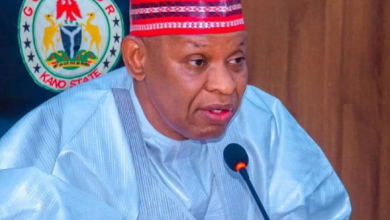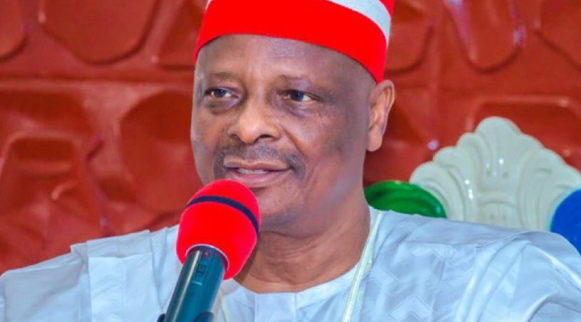
Fresh details emerged on Thursday about the failed attempts by the presidency and the All Progressives Congress (APC) to broker a political deal with Senator Rabiu Kwankwaso, the former Kano governor and erstwhile “beautiful bride” of northern politics.
The negotiations, aimed at leveraging the influence of Kwankwaso’s red-cap movement, Kwankwasiyya, ultimately broke down, leaving the NNPP leader politically isolated.
Sources familiar with the discussions said that talks between Kwankwaso and President Bola Tinubu stretched over several months, with multiple meetings in Abuja.
Initially, the presidency viewed Kwankwaso as a strategic bridge into Kano and the North-west, particularly given NNPP’s strong showing in the 2023 general election.
However, negotiations reportedly collapsed over what APC insiders described as excessive demands.
Kwankwaso allegedly sought control of 20 per cent of APC’s national structure, a vice-presidential slot, and assurances extending to the 2031 election cycle—requests seen as untenable by ruling party strategists.
“Even President Tinubu has not asked for any share of the APC. That 20 per cent demand and the vice-presidential slot were deal breakers,” a senior APC official said.
The demands, the insiders said, revealed a focus on long-term influence rather than immediate collaboration.
Kwankwaso’s insistence on shaping the party’s succession plans unnerved negotiators, who perceived him as seeking parity within a party he did not build.
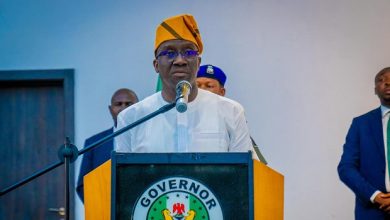
As the talks stalled, APC shifted its attention to Governor Abba Yusuf of Kano, betting that direct engagement with the incumbent, backed by federal leverage, offered a more stable route than courting Kwankwaso.
Sources indicated that this pivot effectively diminished Kwankwaso’s bargaining power, as the former governor could no longer claim unified control over Kano politics.
The Dr. Boniface Aniebonam-led NNPP further complicated matters, revealing that Governor Yusuf’s defection to the APC stemmed from Kwankwaso’s domineering leadership style.
Alhaji Sani Danmasani, the party’s National Vice Chairman (North-west), said Kwankwaso’s conduct left Yusuf with no choice but to seek “greener pastures.”
The party also accused Kwankwaso of undermining its founder, Aniebonam, and attempting to consolidate control over NNPP’s structure.
Danmasani condemned what he called the hypocrisy of Kwankwaso and Buba Galadima, who criticised Yusuf’s crossover despite benefiting from the NNPP platform during previous elections.
“Instead of lamenting Yusuf, Kwankwaso and Galadima should seek reconciliation and acknowledge the trust they violated,” Danmasani said.
In a related political development, the Kano Emirship dispute, which has lingered for nearly two years, appears close to resolution.
The state government confirmed that a political solution has been agreed upon, aiming to unify the emirate under one substantive leader.
The State Commissioner for Information and Internal Affairs, Ibrahim Waiya, assured residents that some parties may step down voluntarily while others seek reconciliation.
Governor Yusuf’s political adviser, Alhaji Mustapha Bakwana, emphasised that resolving the dispute is vital for Kano’s political stability and growth.
“The government is committed to ensuring a single leadership emerges for the Kano Emirate,” Bakwana said.
The collapse of the Kwankwaso deal, combined with the emirship settlement, signals a reshaping of political alliances in Kano, with the APC leveraging incumbency and federal support to consolidate influence while weakening traditional power brokers.