Artificial intelligence (AI) is showing promising results in helping doctors detect breast cancer, according to a landmark study conducted across Sweden.
The trial, which involved more than 100,000 women who underwent routine mammograms in 2021 and 2022, is the first completed randomised controlled trial to test AI in breast cancer screening.
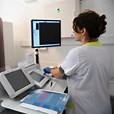
Participants were divided into two groups. In the first, a single radiologist worked with an AI system to analyse the scans.
The second group followed the standard European protocol, where two radiologists independently review each scan.
The findings revealed that the AI-assisted radiologists identified 9 percent more cancer cases than the control group.
Over a follow-up period of two years, women in the AI-assisted group had 12 percent fewer interval cancers, which are tumours detected between routine screenings and are often more aggressive.
Researchers noted that the benefits were consistent across different age groups and breast densities, key factors in cancer risk.
False positive rates, where scans suggest cancer that is not present, were similar between both groups.
Kristina Lang, senior author and professor at Lund University, emphasised the potential benefits of integrating AI into national screening programmes.
“AI can help reduce the workload for radiologists and support earlier detection of cancer,” she said, adding that its rollout must be accompanied by careful monitoring and oversight.
Despite the advantages, experts caution that human oversight remains essential.
Jean-Philippe Masson, head of the French National Federation of Radiologists, stressed that AI diagnoses must be verified by trained radiologists, as AI can sometimes flag non-cancerous tissue changes.
Stephen Duffy, an emeritus professor at Queen Mary University of London, also noted that while AI shows promise, further follow-up is needed to fully understand long-term impacts on interval cancer rates.
The AI tool used in the study, Transpara, was trained using more than 200,000 previous examinations from ten countries.
Interim results from 2023 had already indicated that AI could nearly halve the time radiologists spend reading scans, offering potential efficiency gains for healthcare systems.
Breast cancer remains a major global health challenge, with over 2.3 million new cases and 670,000 deaths reported worldwide in 2022, according to the World Health Organization.
Experts hope that AI-assisted screening could improve early detection rates and save lives while easing pressure on overburdened medical staff.
The Swedish trial represents a significant step toward integrating cutting-edge technology into routine healthcare, balancing innovation with careful oversight to ensure safety and accuracy.