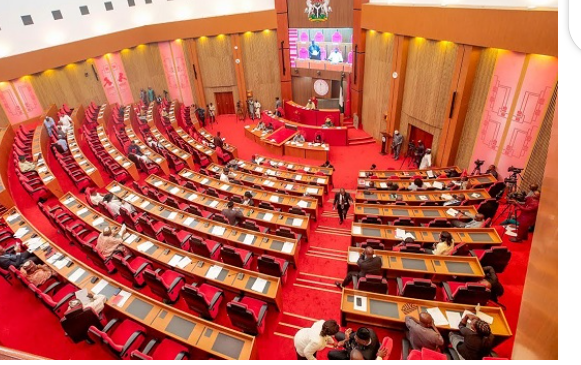
The Nigerian Senate has set March 17, 2026, for the final consideration and passage of the N58.472 trillion 2026 Appropriation Bill, following a decision by the Senate Committee on Appropriations.
The committee outlined a detailed timeline for the budget process, emphasizing a thorough review before approval.
From February 2 to 13, 2026, Senate standing committees would scrutinise budget estimates, with a public hearing scheduled for February 9.
An interactive session between the Appropriations Committee and key federal economic managers, including Finance Minister Wale Edun and Minister of Budget and National Planning Atiku Bagudu, is set for March 5.
Reports from all standing committees on budget defense are expected between February 16 and 23, ahead of the Appropriations Committee’s final report to the Senate.
Senator Solomon Olamilekan Adeola, chairman of the committee, explained that the additional week added to the schedule, extending the process to March 17, is intended to allow lawmakers to examine the proposal more thoroughly.
Hard copies of the budget have been distributed to all committee members to facilitate in-depth review.
The 2026 budget, presented last December by President Bola Tinubu, is themed “Budget of Consolidation, Renewed Resilience and Shared Prosperity.”
The president proposed capital expenditure of N26.08 trillion, pegged crude oil at US$64.85 per barrel, and projected total revenue of N34.33 trillion, including N15.52 trillion for debt servicing.
The budget anticipates a deficit of N23.85 trillion, or 4.28% of GDP, based on crude oil production of 1.84 million barrels per day and an exchange rate of N1,400 per US dollar.
Sectoral allocations indicated a focus on security and infrastructure.
Defence received the largest share of N5.41 trillion, followed by infrastructure at N3.56 trillion, education at N3.52 trillion, and health at N2.48 trillion.
President Tinubu stressed that security spending would be closely monitored for tangible results, including boosting personnel and procuring advanced equipment for the armed forces.
The budget process now enters its crucial phase, with lawmakers expected to provide rigorous scrutiny before approving what will be the nation’s largest budget in history.