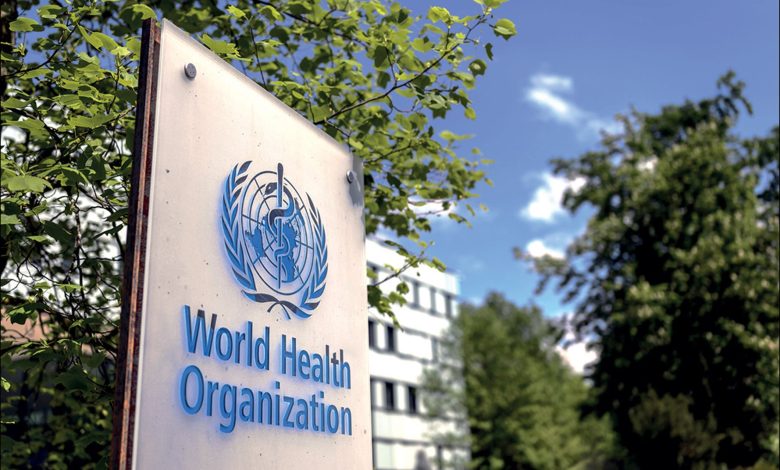
The World Health Organisation (WHO) has raised alarm over growing risks to global health systems, warning that reduced international aid and persistent funding shortfalls are weakening health services worldwide.
WHO Director-General, Dr Tedros Ghebreyesus, sounded the warning on Monday while addressing the organisation’s Executive Board meeting in Geneva.
He said the funding crisis was unfolding at a time when the world faces increasing threats from pandemics, drug-resistant infections and fragile health infrastructures.
Ghebreyesus disclosed that significant cuts to WHO funding in 2025 led to workforce reductions, creating serious operational challenges for the organisation.
He described the year as one of the most difficult in WHO’s history, noting that abrupt reductions in bilateral aid had disrupted health systems in many countries, particularly in low- and middle-income nations.
Despite the challenges, the WHO chief said the organisation had continued to deliver critical lifesaving interventions.
He however, warned that the funding squeeze had exposed deeper weaknesses in global health governance, forcing countries to make hard choices about sustaining essential services.
He explained that the funding difficulties reflected a wider decline in global health financing, adding that WHO was supporting countries to maintain essential health services while encouraging a gradual shift from aid dependence to self-reliance.
He identified domestic resource mobilisation, including health-related taxes on tobacco, alcohol and sugary drinks, as part of the solution.
According to WHO data, about 4.6 billion people worldwide still lack access to essential health services, while more than two billion face financial hardship due to healthcare costs.
In addition, the global health sector is projected to face a shortage of 11 million workers by 2030, with nurses accounting for more than half of the gap.
Ghebreyesus said WHO had avoided a deeper financial crisis following an agreement by member states to increase mandatory contributions, reducing reliance on voluntary funding.
He noted that the organisation had secured about 85 per cent of the resources required for its 2026–2027 core budget, but cautioned that raising the remaining funds would be difficult in the current global climate.
He warned that underfunding remained acute in priority areas such as emergency preparedness, antimicrobial resistance and climate-related health challenges.
Ghebreyesus also highlighted recent reforms, including the adoption of a Pandemic Agreement and updated International Health Regulations, aimed at strengthening global preparedness after COVID-19.
The WHO chief said the organisation had expanded disease surveillance, deployed artificial intelligence tools for epidemic intelligence and supported countries in responding to hundreds of health emergencies in 2025, many of which were contained before escalating.
However, he expressed concern over the rising threat of antimicrobial resistance, noting that one in six bacterial infections globally is now resistant to antibiotics.
Ghebreyesus stressed that global solidarity remained critical to addressing shared health threats, warning that without predictable and adequate funding, the world could become less prepared for future health emergencies.
He urged member states to remain united, describing collective commitment as essential to the future strength of the WHO.