The Nigerian Senate has called for a major shift in the nation’s budgeting approach, urging the adoption of a more strategic system that prioritises critical sectors and ensures government funds translate into measurable outcomes.
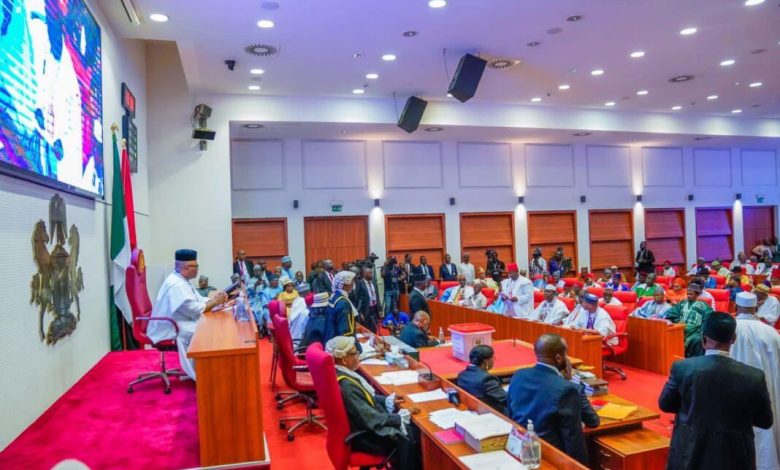
The call came during a public hearing on the 2026 Appropriation Bill, organised by the Senate Committee on Appropriations on Monday in Abuja.
The Chairman of the Committee, Senator Solomon Adeola, stressed the urgent need to improve how budgets are formulated and implemented.
He pointed out that while ministries and agencies have genuine funding needs, government resources are limited.
“For instance, the Ministry of Works may receive N500 billion in a year, while actual road infrastructure needs could exceed N2 trillion,” he explained, describing the mismatch as a major obstacle to effective planning and delivery.
Senator Adeola argued that a strategic budgeting system would allow the government to focus resources on sectors that have the most significant impact on national development.
“Every ministry, department, and agency will naturally seek more funding, and while their requests are valid, we must balance these demands to avoid unsustainable spending while still delivering the dividends of democracy,” he said.
He also highlighted the economic reforms undertaken in the last two-and-a-half years, describing them as essential to addressing structural weaknesses in the economy.
These reforms, he said, have helped ease inflation, stabilise the exchange rate, strengthen foreign reserves, and improve revenue allocations to states and local governments.
Opening the hearing, Senate President Godswill Akpabio, represented by Deputy Senate President Jibrin Barau, described budget hearings as more than procedural exercises.
According to him, they are opportunities for the nation to examine its priorities and confront pressing challenges such as fiscal pressures, inflation, infrastructure deficits, employment gaps, and security concerns.
“The task of the National Assembly is not merely to allocate funds but to convert those allocations into tangible outcomes,” Akpabio said.
He emphasised that the 2026 budget must be implemented effectively, with results that citizens can see and feel in their daily lives.
Accountant-General of the Federation, Shamsedeen Ogunjimi, reinforced the Senate’s position, describing the budget as a “moral document” that reflects national values and priorities.
He urged ministries and agencies to establish clear performance indicators, stressing that budget implementation should move beyond paperwork.
“A budget is not just a spreadsheet or a legal formality. It is a reflection of who we prioritise, what we value, and how seriously we take the future of our people,” Ogunjimi said.
The hearing, themed “From Budget to Impact: Strengthening Macroeconomic Stability, Accelerating Infrastructure Delivery and Improving Security through Fiscal Discipline, Tax Reforms and Effective Implementation of the 2026 Budget”, brought together lawmakers, government officials, and stakeholders to discuss ways to ensure that the 2026 budget translates into concrete development outcomes.