Reps convene emergency session over 2027 election timetable amid Ramadan concerns

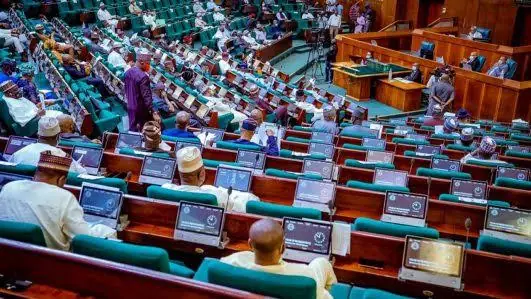
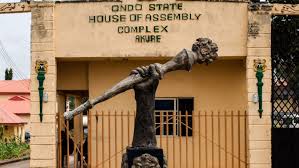
Nigeria’s lower legislative chamber, the House of Representatives of Nigeria, will reconvene for an emergency plenary session on Tuesday, February 17, 2026, to deliberate on issues arising from the recently unveiled timetable for the 2027 general elections.
The decision was disclosed in a statement issued by the House spokesperson, Hon. Akin Rotimi, who said lawmakers were formally notified through an internal memorandum from the Office of the Speaker late Friday.
According to the statement, the urgency of the sitting reflects the constitutional weight of the matter and the potential national implications of the electoral schedule released by the Independent National Electoral Commission (INEC).
The House leadership stressed that the extraordinary session underscores lawmakers’ determination to respond swiftly to developments capable of shaping Nigeria’s democratic trajectory.
Members have been directed to treat attendance as a priority, given the significance of the agenda before them.
At the centre of the deliberations is INEC’s announcement that presidential and National Assembly elections will take place on February 20, 2027, followed by governorship and state assembly polls on March 6, 2027.
The electoral body also scheduled party primaries for candidate nominations between May 22 and June 20, 2026.
However, the February 20 date for the first round of elections has generated debate across sections of the country, particularly among Muslim communities.
Critics noted that the proposed date coincides with the holy month of Ramadan, a period of fasting and spiritual observance.
They argued that the physical demands associated with fasting could affect voter turnout, as well as the performance of election officials, party agents, and observers.
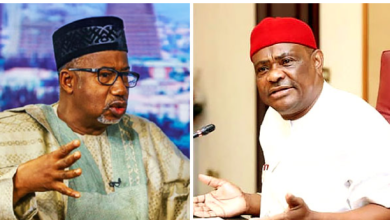
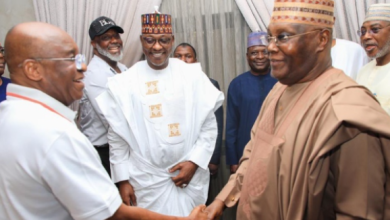
Among prominent figures who have weighed in on the matter is former Vice President Atiku Abubakar.
The former presidential candidate of the Peoples Democratic Party (PDP) urged INEC to reconsider the timing, warning that the overlap with Ramadan may inadvertently disenfranchise segments of the electorate.
Responding to the concerns, INEC defended its timetable, stating that the schedule was crafted in strict adherence to the provisions of the 1999 Constitution (as amended), the Electoral Act 2022, and its Regulations and Guidelines for the Conduct of Elections.
In a statement signed by National Commissioner and Chairman of the Information and Voter Education Committee, Mohammed Haruna, the commission maintained that established regulations — in place since 2019 — guide the fixing of election dates.
Nevertheless, the commission acknowledged the public concerns and indicated it is engaging in consultations.
It signalled that, if necessary, it may seek legislative input to address the issues raised, provided that any adjustment remains within constitutional and statutory boundaries.
INEC reaffirmed its commitment to conducting a transparent, inclusive, and credible 2027 general election, assuring Nigerians that further updates would be communicated as discussions progress.
Tuesday’s emergency sitting of the House is therefore expected to focus on possible legislative responses, as lawmakers weigh constitutional requirements against calls for broader inclusivity in the electoral process.