In every era, certain leaders rise as moral voices for their people.
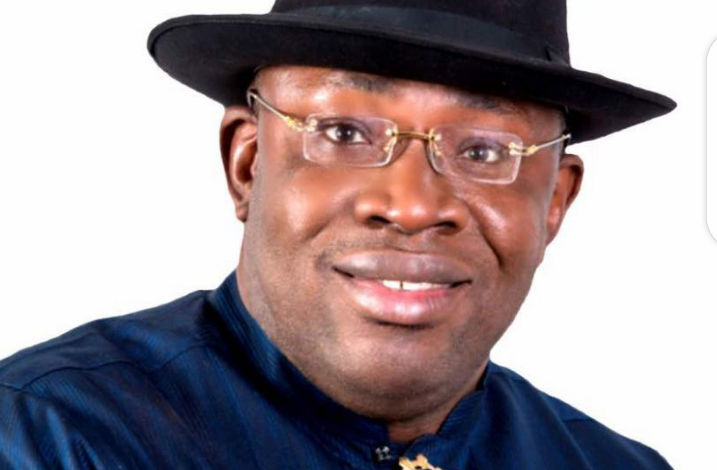
For many admirers, Senator Henry Seriake Dickson represents such a figure in the Niger Delta.
Political observers increasingly liken him to Martin Luther King Jr..
They argue that his advocacy transcends routine politics and speaks to justice, equity and minority rights.
Like King’s campaign against racial injustice in America, Dickson’s politics centres on defending neglected communities.
He has repeatedly highlighted environmental degradation in oil-producing areas.
The senator has criticised underdevelopment in host communities despite vast natural resources.
He has also canvassed fiscal federalism and stronger protection for minority rights.
His interventions often stress fairness within Nigeria’s federal structure.
Observers note that Dickson’s approach favours dialogue over confrontation.
Rather than inflame tensions, he advocates engagement between the Federal Government and oil-bearing communities.
He supports legislative remedies to longstanding regional grievances.
Youth empowerment, education and peaceful participation in governance remain recurring themes in his message.
Where King led marches, Dickson operates within parliamentary institutions.
As a former governor and now senator, he has pushed motions on regional development.
He has called for reforms and accountability within intervention agencies.
Debates on revenue allocation and resource control frequently feature in his contributions.
Supporters describe his activism as structured and policy-driven.
Dickson is widely regarded as an articulate and persuasive speaker.
His speeches blend historical context, constitutional arguments and emotional appeal.
Colleagues say he transforms Senate debates into platforms for regional advocacy.
Backers argue that his communication style inspires unity across the Niger Delta.
Within the Ijaw nation and beyond, Dickson is seen as a rallying point.
He promotes regional solidarity across ethnic and political divides.
Allies say he bridges militant history with democratic engagement.
His message consistently urges collective action for enduring justice.
Supporters maintain that comparing Dickson to King reflects shared traits, not identical histories.
They cite moral conviction, reformist ideals and persistence in advocacy.
For them, his mission is clear: fairness for the Niger Delta through law and dialogue.
Whether history cements the comparison remains to be seen.
What is certain is that his voice continues to shape conversations on justice and equity in the region.