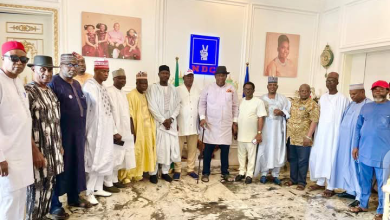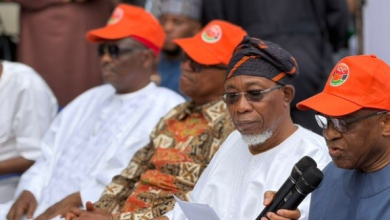
Kano State witnessed a notably low voter turnout during the recent bye-elections for the Kano Municipal and Ungogo State Constituencies, as major opposition parties opted out of the exercise.
The New Nigeria People’s Party (NNPP), Peoples Democratic Party (PDP), and African Democratic Congress (ADC) cited inadequate notice and concerns over the credibility of the electoral process as reasons for their withdrawal.
The elections, organised by the Independent National Electoral Commission (INEC) to fill two vacant State House of Assembly seats following the deaths of incumbent lawmakers last year, were largely dominated by the All Progressives Congress (APC).
Former Governor and NNPP leader Rabiu Kwankwaso had nominated candidates for the vacant positions, who were subsequently adopted by the APC.
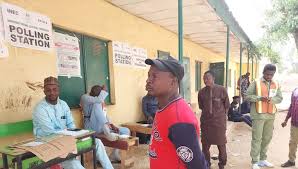
Observers noted that most polling units across Kano Municipal and Ungogo Local Government Areas recorded sparse voter turnout.
Analysts attributed this to both the opposition boycott and a degree of protest abstention from disillusioned voters.
ADC State Chairman Musa Ungoggo explained that his party opted out because the bye-elections lacked transparency and amounted to what he described as an “appointment” rather than a true contest.
He emphasised that the party would focus its efforts on the forthcoming 2027 general elections.
Similarly, PDP State Chairman Yusuf Kibiya stated that his party withdrew from the elections due to insufficient notice from INEC, which he said hindered proper preparation and meaningful participation.
The INEC officials on the ground reported that the elections proceeded smoothly in terms of logistics and ballot administration, though the absence of opposition parties resulted in largely uncontested races.
Voting officially commenced across the affected units, but the anticipated voter engagement failed to materialise.
The bye-elections, though peaceful, highlight ongoing challenges in ensuring credible electoral participation in Kano, raising questions about voter trust and the role of opposition parties in fostering competitive democratic processes.