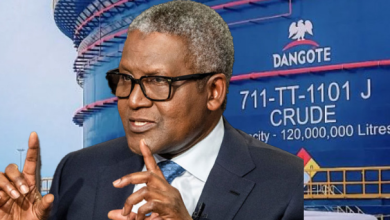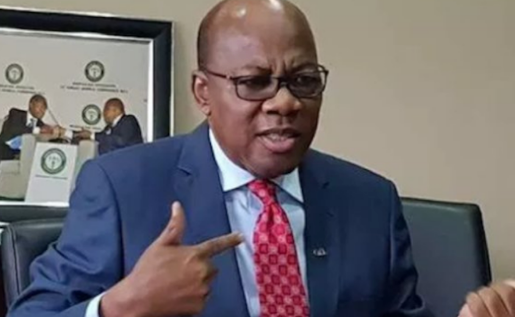
Senior Advocate of Nigeria, Dr. Olisa Agbakoba, has urged a full privatisation of the Nigerian National Petroleum Company (NNPC) and stricter control of oil revenues, warning that structural contradictions in the country’s oil governance framework are undermining transparency and national income.
In an interview with Arise News on Wednesday, Agbakoba criticised the operational and legal posture of NNPC under the Petroleum Industry Act (PIA).
Although NNPC was formally converted into a limited liability company, he argued that it continues to operate as a statutory corporation, creating a fiscal imbalance and legal contradictions.
“The NNPC should be privatised. It is registered under the Corporate Affairs Commission, yet remains the property of the federal government.
”This contradiction undermines revenue transparency,” Agbakoba said.
He also flagged a key fiscal issue in the PIA: NNPC’s historical practice of deducting about 70 per cent of revenue before remitting funds to the Federation Account.
While President Nduguwa’s Executive Order 9 seeks to curb this practice, Agbakoba suggested judicial clarification is necessary to ensure compliance.
“An executive order cannot override an Act of Parliament. The Attorney General should consider taking this to court to expunge offending sections of the PIA.
”If successful, Nigeria could save as much as N45 trillion,” he said.
Agbakoba praised the government’s recent decision to transfer regulatory functions from NNPC to the upstream and downstream petroleum commissions, describing it as a positive step toward creating a level playing field.
He recommended that NNPC be listed on the stock exchange and operate like any other Nigerian oil company, separating regulatory and operational roles.
Beyond structural reform, Agbakoba framed the debate as one of fiscal sovereignty.
He highlighted inefficiencies in revenue collection, noting that Nigeria’s current reliance on borrowing estimated at N200 trillion could be reduced through better management of oil and tax revenues.
“With proper titling of properties and tax reforms, Nigeria could generate close to N500 trillion annually,” he stated, citing proposals he previously made to government authorities.
He stressed, however, that increased revenue alone will not solve the country’s development challenges.
‘Strengthening anti-corruption agencies and ensuring funds reach citizens at the grassroots level are equally crucial.
“It’s not enough for statistics to show numbers in Abuja. People must feel the impact on the ground,” Agbakoba said.
He called on political actors to focus on substantive economic and governance issues ahead of the 2027 elections, rather than party defections and political posturing.
“The big issues should be about the economy and governance. That’s what Nigerians need to hear,” he said.