Kachi Benson premieres “Mothers of Chibok,” spotlighting resilience, empowerment

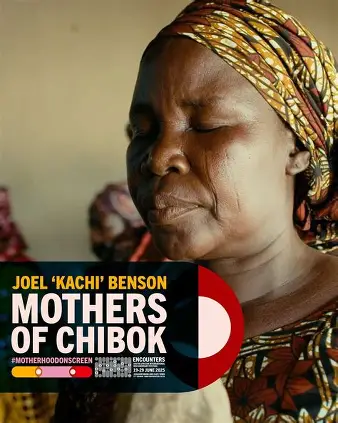
Emmy award-winning filmmaker Kachi Benson unveiled his latest documentary, “Mothers of Chibok,” at a Lagos premiere on Saturday night, describing it as far more than a cinematic project.
He emphasised that the film is a platform for empowering the women featured, transforming their story into one of hope, resilience, and economic progress.
Speaking at a fireside discussion following the screening, Benson said his goal was not just to document resilience but to reframe the narrative around Chibok.
“The aim is not to dwell on abduction and tragedy but to celebrate strength, courage, and hope,” he said.
The 86-minute documentary continues his engagement with the Chibok story, following the 2019 film “Daughters of Chibok,” with this installment focusing on the mothers who are often overlooked in media coverage.
The film portrays the daily lives of the women, predominantly farmers, working tirelessly to support their children’s education.
It juxtaposes the nostalgia for their missing daughters with the fear that they may never return.
The documentary also highlights the lack of basic amenities and the women’s reliance on divine providence for their crops and harvests.
Scenes of mothers homeschooling their children underscore their resilience and commitment despite adversity.
Benson explained that the project took three years to produce, starting in May 2021.
He emphasised the importance of building trust and avoiding extractive storytelling.
“Most filmmakers spend a few days; we spent three years earning trust,” he said.
During production, the rescue of one abducted girl, Lydia’s sister, underscored the value of patience and long-term engagement.
Benson has extended the documentary’s mission beyond storytelling to economic empowerment.
A pilot farming project provided nine women with improved seeds, fertiliser, and monitoring support, yielding transformative results.
Harvests increased dramatically, in some cases up to 600 per cent. Groundnuts from Chibok are now processed into peanut butter, paste, chocolate, and other products branded “Mothers of Chibok.”
Support for each woman, including seeds, fertiliser, and irrigation, costs roughly N1.5 million.
Benson’s team aims to expand the initiative to 100 women by the end of 2026 and eventually reach 1,000.
He called for partnerships, technical support, and investment to sustain and scale the project.
Veteran actress Joke Silva joined the discussion, highlighting the film’s focus on dignity rather than tragedy.
She praised “Mothers of Chibok” for presenting women as figures of admiration rather than objects of pity.
“Out of the ashes of what they had been through, you see these women so dignified,” she said.
Silva emphasised cinema’s power to expand empathy, noting that audiences who have never visited Chibok could experience the community’s reality through the film.
She encouraged viewers to move beyond empathy to action, supporting the women’s daily struggles.
Voices from the Community
Hannatu Dauda, a beneficiary of the farming program, shared through an interpreter that her harvest had improved significantly thanks to the project.
“We need support to change our lives and send our children to school,” she said.
Filmmaker and producer Femi Odugbemi described the documentary as historic.
“For over a decade, Chibok has been reduced to a hashtag or headline. Kachi Benson restores humanity to the story.
Mothers of Chibok dignifies pain, honors survival, and reframes the narrative,” he said.
Benson noted that the decision to release the film in cinemas was deliberate, aimed at strengthening Nigeria’s documentary culture.
“I hope audiences leave seeing the mothers not as statistics, but as humans with powerful stories, moving from empathy to action,” he said.
The premiere marks a significant milestone in telling the Chibok story through a lens of empowerment, bridging cinema, social impact, and community development.