A wave of Iranian missile strikes sent shockwaves across the Gulf on Saturday, jolting residents of cities long regarded as havens of stability and security.
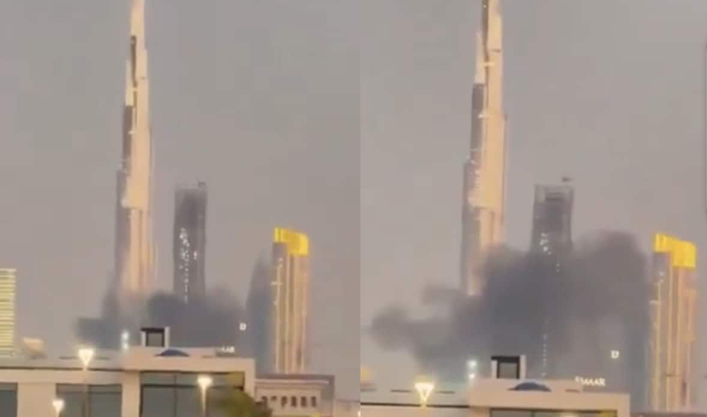
Projectiles were seen streaking across the skies above Dubai, Abu Dhabi and Doha, while plumes of smoke rose near military installations in Manama.
Loud explosions reverberated through residential districts, prompting evacuations and scenes of panic.
In Bahrain’s capital, residents were hurriedly moved out of the Juffair neighbourhood, home to the United States Navy’s Fifth Fleet, after reports that the base had been struck.
Families fled apartment blocks as sirens wailed and emergency vehicles converged on the area.
Across the water in the United Arab Emirates, life was similarly disrupted.
In Abu Dhabi, golfers enjoying a weekend round paused in disbelief as dozens of missiles cut through the clear afternoon sky.
In Dubai, the region’s commercial hub, startled residents watched from balconies and streets as projectiles arced overhead, some describing a deep rumble followed by sharp blasts that rattled windows.
The barrage shattered the sense of calm that Gulf monarchies have cultivated for decades.
Oil-rich states such as the United Arab Emirates and Qatar have positioned themselves as centres of trade, tourism and diplomacy, carefully balancing alliances with Washington while maintaining pragmatic ties with Iran.
In Qatar, witnesses described chaotic scenes after a missile reportedly landed in a residential district, erupting into a fireball on impact.
Dozens of residents ran into the streets seeking safety as debris scattered across the roadway.
An American expatriate living in Doha said she heard multiple explosions while driving home, adding that the blasts shook the glass in nearby buildings.
After two decades in the country, she said the escalation left her questioning whether her family would remain in what had long been considered one of the safest environments in the region.
The strikes have rekindled memories of previous, more limited incidents.
Qatar was targeted last year when Iran launched a pre-announced attack on the Al Udeid air base, and when Israel carried out a strike linked to a Hamas meeting in Doha.
The UAE had not faced significant hostilities since a deadly assault by Yemen’s Houthi rebels in 2022.
In Riyadh, residents expressed alarm at the sudden eruption of violence.
A Lebanese expatriate said she moved to the Gulf seeking refuge from instability at home, only to find herself once again fearing for her family’s safety.
A Jordanian father described stepping outside with his young son moments before a powerful blast echoed overhead, leaving bystanders scanning the sky in confusion.
Regional governments have long sought to insulate themselves from the turbulence of the wider Middle East, pursuing diplomacy even amid rivalries.
Saturday’s attacks, however, underscored the fragility of that balance and the vulnerability of cities previously seen as insulated from direct confrontation.
Authorities across the Gulf have yet to release full details of casualties or damage, but the psychological impact was immediate.
For many residents, citizens and expatriates alike — the illusion of distance from conflict was abruptly and violently broken.