The Nigerian Senate has summoned former top officials of the Nigeria National Petroleum Company Limited over an alleged N210 trillion unaccounted for in the company’s financial statements between 2017 and 2023.
The summons targets former Group Chief Executive Officer Mele Kyari, former Chief Financial Officer Umar Ajia Isa, and former Group General Manager of National Petroleum Investment Management Services, Bala Wunti.
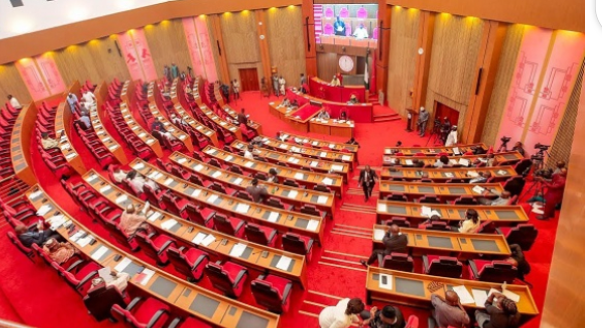
Chairman of the Senate Committee on Public Accounts, Senator Aliyu Wadada, said the action followed a review of audit reports highlighting discrepancies in the national oil company’s accounts.
He warned that failure to appear could lead to warrants of arrest for the former executives.
The N210 trillion under scrutiny comprises N103 trillion claimed as cumulative spending by joint venture partners through JV cash calls, and N107 trillion listed as “sundry receivables,” allegedly owed by banks and other entities.
“The two figures combined indicate that NNPCL must properly account for N210 trillion,” Wadada said, adding that the committee was dissatisfied with prior explanations provided by the company.
The lawmakers also questioned the expenditure of N5 billion reportedly used to rename the former Nigerian National Petroleum Corporation to NNPCL, demanding clarity on the decision.
The Senate committee directed NNPCL to refund all production costs charged against crude oil revenue during the period, asserting that the company and its subsidiaries do not directly produce crude oil.
Additionally, the panel recommended that the Office of the Auditor-General for the Federation conduct a forensic audit of NNPCL’s financial statements in accordance with Section 85 of the 1999 Constitution.
The current NNPCL leadership, headed by incumbent GCEO Bayo Ojulari, along with external auditors, are also expected to appear before the committee to clarify the discrepancies.
Kyari served as GCEO of NNPCL from 2019 to 2025. The summons reflects ongoing legislative scrutiny of financial governance within Nigeria’s oil sector and aims to ensure accountability for public resources.