President Trump demands ‘unconditional surrender’ from Iran as Middle East war escalates

The Middle East conflict intensified on March 6, 2026, with heavy strikes hitting Iran and Lebanon, as Donald Trump declared that no deal would be possible unless Iran surrendered unconditionally.
The conflict, now in its seventh day, has disrupted global energy markets, regional transport, and displaced tens of thousands of civilians.
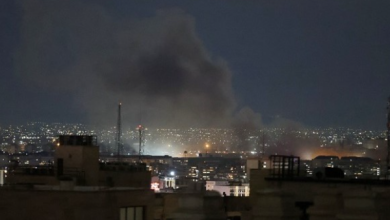
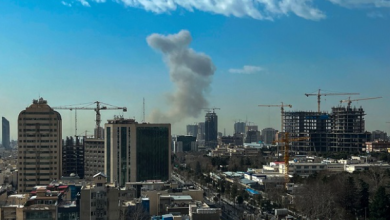
In Iran, major cities including Tehran experienced some of the heaviest bombardments yet, killing hundreds. Iranian authorities reported 926 fatalities, with children accounting for about 30 percent.
Crowds gathered for Friday prayers amid a city under lockdown, with checkpoints erected to maintain order.
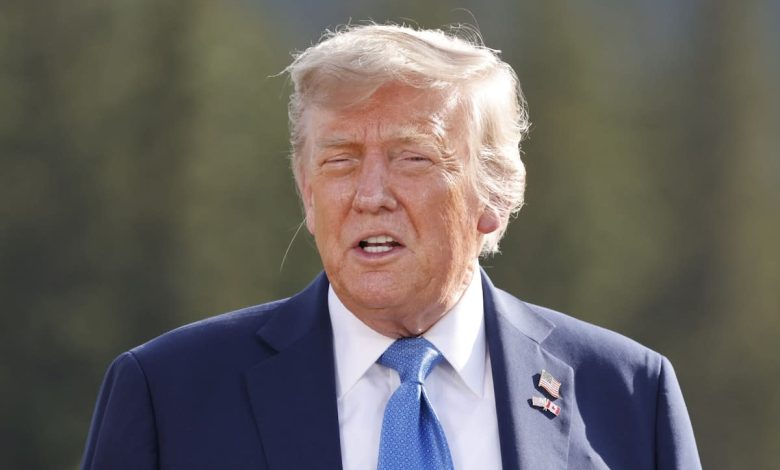
Trump, reiterating his hardline stance on Iran, suggested that if Tehran installed a leader acceptable to the U.S., Washington would assist in rebuilding the economy.
On social media, he emphasised:
“There will be no deal with Iran except UNCONDITIONAL SURRENDER. MAKE IRAN GREAT AGAIN (MIGA!).”
The war has extended into Lebanon after Hezbollah fired missiles into Israel, prompting Israeli airstrikes across southern Beirut.
The Lebanese government warned of an impending humanitarian disaster as residents fled heavily affected suburbs.
At least 217 deaths have been reported in Lebanon, including numerous civilians. Israeli forces said they eliminated over 70 Hezbollah militants.
Meanwhile, Israel and the U.S. signaled further escalation, with Israel’s military chief, Lieutenant General Eyal Zamir, hinting at “additional surprises” in coming operations.
The conflict also affected Iraq, where drone attacks targeted airports and oil facilities, causing regional crude production disruptions.
The United Nations has declared the situation a major humanitarian emergency and called for impartial investigations after a school strike in Iran reportedly killed over 150 people.
European leaders, including Pedro Sanchez of Spain, criticized the US-Israeli strikes as an “extraordinary mistake” and in violation of international law.
The fighting has reached Gulf states, including Qatar, Saudi Arabia, and Kuwait, leading to civilian casualties and prompting mass evacuations.
Maritime operations in the Strait of Hormuz were disrupted, with global oil prices surging nearly 20 per cent due to attacks on shipping lanes.
The conflict, now spanning from the Gulf to Lebanon and beyond, continues to destabilise the region, raising fears of a prolonged humanitarian and geopolitical crisis.