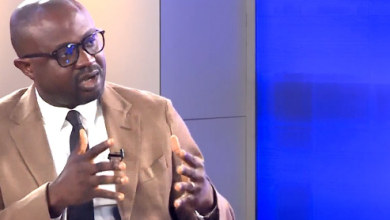
Daniel Bwala, Special Adviser to the President on Media and Policy Communication, has responded to the widespread debate sparked by his recent interview with international journalist Mehdi Hassan, stating that he remains committed to defending the administration of President Bola Ahmed Tinubu anywhere in the world.
In a statement released on Saturday, Bwala said social media had been filled with mixed reactions in the past 24 hours following the interview, prompting him to clarify his position and address some of the criticisms.
According to him, accepting the role of presidential adviser came with the clear responsibility of promoting and defending the policies of the current administration, regardless of the challenges involved.
Bwala noted that his job was never meant to attract public praise or admiration, but rather to ensure that the government’s policies and actions are explained and defended before both local and international audiences.
He stressed that he is always willing to face tough questions and debates, adding that he would continue to grant interviews to any media outlet prepared to challenge the administration on key national issues.
The presidential aide disclosed that the interview platform, Head to Head, had initially contacted him with the intention of questioning the government’s performance on issues such as security, the economy, and corruption.
However, he claimed that the interviewer unexpectedly introduced questions about his past political statements during the discussion.
According to Bwala, the producers did not inform him beforehand that his previous comments about President Tinubu would become a central topic during the interview.
He argued that such an approach was not consistent with professional interview standards, stating that he would have been better prepared to address those issues if prior notice had been given.
Despite this, Bwala maintained that he refused to be drawn into what he described as “opposition research-style journalism,” alleging that some of the quotes attributed to certain organisations during the interview were inaccurate or misleading.
On the issue of his past criticisms of President Tinubu, Bwala said those remarks were made when he was part of the political opposition, emphasizing that such shifts are common in politics.
He pointed out that several political figures who once criticised leaders later went on to serve in their governments, citing the example of the United States where some members of former President Donald Trump’s cabinet had previously opposed him.
According to Bwala, political disagreements in the past do not prevent individuals from working together once circumstances change.
He also dismissed the criticism coming from opposition supporters, arguing that the reaction to the interview was driven largely by political rivals who, in his view, lack clear alternatives or policy direction for governing the country.
The presidential adviser added that while critics may celebrate the controversy surrounding the interview, it would not distract the administration from its agenda.
Bwala expressed appreciation to Nigerians and international observers who commended his performance during the interview, which he described as challenging due to the interviewer’s persistent interruptions.
Despite the heated exchange, he said he still respects Mehdi Hassan, describing him as one of the most formidable debaters in global media.
Bwala expressed readiness for a second part of the interview, saying he hopes future discussions would focus more on the policies and achievements of the current administration rather than his past political statements.