The federal government has commended the United Nations Development Programme (UNDP) for its long-standing support across Nigeria’s development programmes, affirming its commitment to leverage the agency’s expertise in accelerating national reforms.
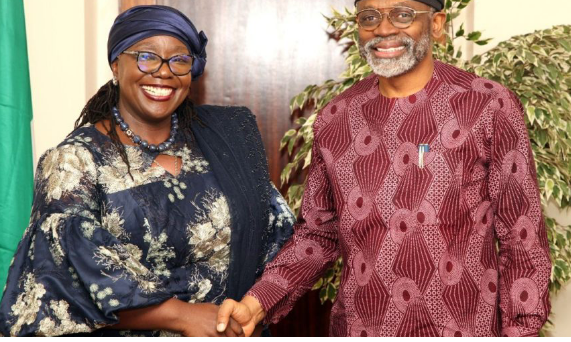
Chief of Staff to the President, Hon. Femi Gbajabiamila, made the commendation on Thursday at the State House, Abuja, during a courtesy visit by UNDP Resident Representative Ms. Elsie Attafuah.
Gbajabiamila noted that UNDP’s contributions over the years were “commendable,” particularly in supporting President Bola Tinubu’s reform agenda.
He highlighted the Made-in-Nigeria policy, describing it as a broader industrialisation strategy designed to create jobs, stimulate economic growth, and strengthen the value chain.
“Some call it Nigeria First. The president is passionate about it.
”We had local content in the oil industry, but this policy goes further, covering employment, trade, and overall economic competitiveness,” Gbajabiamila said.
He also expressed interest in UNDP’s role in promoting female participation in politics and governance, drawing from the agency’s experience across Africa.
“Your expertise can help Nigeria achieve these objectives while respecting local sensibilities, cultures, and religion,” he added.
Gbajabiamila further encouraged UNDP interventions in poverty reduction, education, agriculture, and the mining sector, stressing the importance of long-term, sustainable development initiatives.
In response, Ms. Attafuah praised Nigeria’s leadership under President Tinubu, describing it as “inspirational and encouraging.”
She said UNDP aims to position Nigeria as Africa’s leader and development catalyst, supporting government initiatives and national priorities.
Attafuah explained that with the withdrawal of many international donors, UNDP is shifting from a project-based approach to long-term government-financing and thematic development programmes.
She emphasised that policies like Made-in-Nigeria could drive job creation, trade, innovation, and economic competitiveness.
She also highlighted the University Graduate Hub initiative, a platform enabling graduates to showcase prototypes and attract financing for their products.
Potential collaboration was noted in education and energy sectors to further Nigeria’s development goals.
The visit reinforced the federal government’s commitment to strengthening partnerships with international development agencies to support national reforms and socio-economic progress.