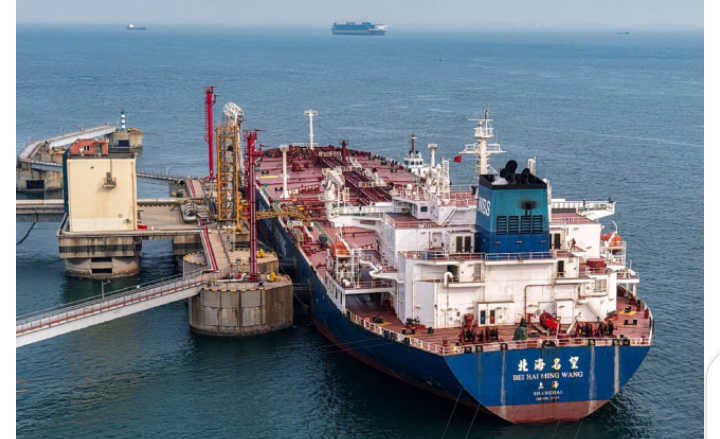
Global oil prices surged above $100 per barrel on Thursday as escalating attacks linked to Iran intensified fears of a major energy supply crisis, overshadowing a record release of emergency oil reserves by leading economies.
The surge came amid fresh assaults on energy infrastructure and commercial vessels in the Persian Gulf, worsening disruptions caused by the ongoing Middle East conflict.
Brent crude, the international oil benchmark, briefly climbed to $101.59 per barrel, marking a sharp increase of nearly 38 per cent since the conflict began 13 days ago when the United States and Israel launched airstrikes targeting Iran.
Despite efforts by major economies to stabilise the market, the International Energy Agency (IEA) warned that the war has triggered the largest supply disruption in the history of the global oil market.
The IEA confirmed that global oil production has fallen by about eight million barrels per day, while an additional two million barrels of petroleum products have also been affected.
Together, the disruption represents roughly 7.5 per cent of global daily supply.
Member countries of the agency had earlier agreed to release 400 million barrels of oil from strategic reserves, the largest coordinated release ever, in an attempt to cushion the shock.
However, the move has done little to calm the market as the Strait of Hormuz, a vital route for about one-fifth of global oil shipments remained effectively shut following Iranian retaliatory attacks on ships and regional targets.
The security situation worsened after two oil tankers were attacked off the coast of Iraq, leaving at least one crew member dead.
Another cargo vessel reportedly caught fire after being struck by shrapnel.
Oil prices briefly dipped before rising again after U.S. President Donald Trump said preventing Iran from acquiring nuclear weapons remained his administration’s top priority even if oil prices continued to climb.
Energy analysts said the continuing instability in the Gulf region has rattled markets and exposed vulnerabilities in global shipping routes.
“The market is reacting strongly to Iranian attacks on shipping in the Persian Gulf and missile strikes across the region,” said market analyst David Morrison.
He added that the United States’ difficulty in reopening the Strait of Hormuz suggests limits to its ability to secure the crucial oil corridor.
The spike in crude prices is already affecting industries worldwide, particularly aviation.
Airlines have begun adjusting operations and fares to cope with rising fuel costs. New Zealand’s national carrier announced plans to cancel 1,100 flights over the next two months, while Cathay Pacific introduced new fuel surcharges on most routes.
Air France-KLM has also increased ticket prices.
Analysts warned that sustained high oil prices could trigger a broader economic shock.
“The longer oil prices remain elevated, the greater the risk of a lasting inflationary impact on the global economy,” said Kathleen Brooks, research director at trading group XTB.
Global stock markets responded negatively to the rising energy prices and geopolitical uncertainty.
On Wall Street, the Dow Jones Industrial Average fell more than one percent shortly after trading opened.
European markets also slipped during afternoon trading, while most Asian markets closed lower.
Meanwhile, the U.S. dollar strengthened against major currencies, boosted by investor demand for safe-haven assets amid fears of inflation and prolonged high interest rates.
Energy markets remain on edge as the conflict continues, with analysts warning that prolonged disruptions in the Gulf could push oil prices even higher in the coming weeks.