Global energy markets face unprecedented turmoil, and no country will escape the fallout, warns the International Energy Agency (IEA) chief.
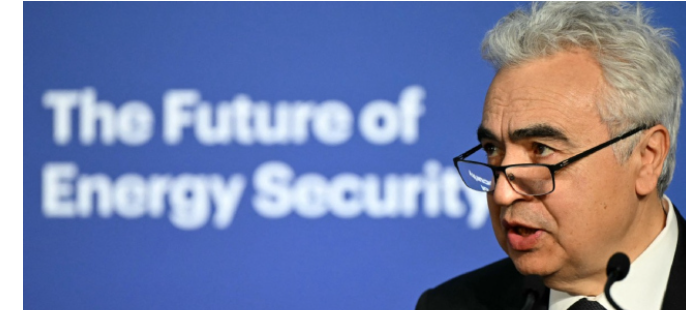
Speaking to the National Press Club in Canberra, IEA Executive Director, Fatih Birol, said the current energy crisis, sparked by conflict in the Middle East, poses a major threat to the global economy.
Birol described the situation as a combination of two oil crises and a gas market crash, drawing parallels to the shocks of the 1970s and Russia’s 2022 invasion of Ukraine.
His words: “This crisis, as it stands, is now two oil crises and one gas crash put all together.
“The global economy is facing a major, major threat today, and I very much hope that this issue will be resolved as soon as possible,” he added.
Birol further stressed, ”No country will be immune to the effects of this crisis if it continues in this direction. There is a need for global efforts, ” Birol said.
The IEA boss also highlighted the scale of infrastructure damage in the region, noting that at least 40 energy assets have been “severely or very severely” damaged across nine countries.
The crisis has been exacerbated by tensions surrounding the Strait of Hormuz, a key maritime chokepoint through which around 20 per cent of global oil and gas shipments pass.
With the waterway partially blocked, U.S. President Donald Trump and Iran have exchanged escalating threats as the conflict entered its fourth week.
The disruption has nearly halted petroleum shipments through the strategic strait.
The market response was immediate. Oil prices surged, with U.S. benchmark crude briefly reaching $100 per barrel early Monday, reflecting investor concerns over supply constraints.
Experts warned that without coordinated international measures, the energy crisis could trigger long-term economic instability, with ripple effects across industries and national economies worldwide.
The IEA, headquartered in Paris, monitors global energy markets and provides guidance to member countries to ensure energy security.
Birol has repeatedly called for international collaboration to stabilize supply and mitigate the socio-economic consequences of energy disruptions.