The World Trade Organisation (WTO) convened its 14th ministerial conference this week against a backdrop of rising global economic uncertainty and geopolitical upheaval.
Delegates from 166 member countries gathered in Cameroon’s capital to confront the dual challenges of stalled negotiations and growing protectionist pressures, compounded by disruptions stemming from the ongoing conflict in the Middle East.
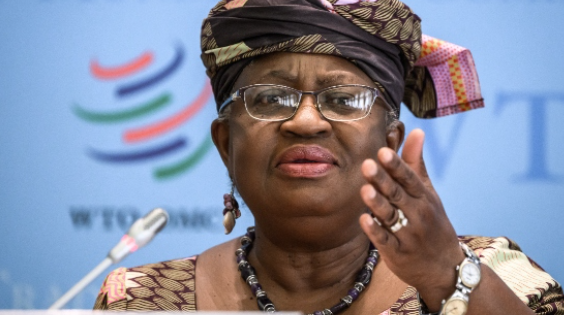
Director-General Ngozi Okonjo-Iweala opened the session with a call for renewed commitment to multilateral trade.
She highlighted the erosion of trust caused by unilateral measures over the years and urged members to chart a path forward that restores confidence in the global trading system.
“This meeting marks an opportunity to address the frustrations that have accumulated over time and to reinvigorate the rules-based framework that underpins international commerce,” Okonjo-Iweala said.
Member states were increasingly vocal about the need for fundamental reforms within the WTO.
European officials stressed the importance of tackling market distortions and ensuring equitable conditions for all participants.
The United Kingdom warned that the organisation risks losing relevance if structural changes were not implemented promptly.
Among the reform priorities are revising decision-making processes, addressing the special treatment provisions for developing economies, and reviving the dispute settlement mechanism, which has been effectively paralysed since 2019 due to a blockage of judicial appointments by the United States.
Despite the urgency, analysts remained skeptical about immediate breakthroughs.
Stuart Harbinson, a trade expert with the European Centre for International Political Economy, noted that divergent national interests make substantive consensus unlikely during this conference.
The Middle East conflict, involving Israel, the United States, and Iran, has introduced additional strain on global trade, particularly in energy markets.
Delegates are keenly aware that disruptions in supply chains and rising commodity prices could further complicate international commerce.
The conference is also the WTO’s first major gathering since the return of U.S. President Donald Trump, whose administration has pursued a more unilateral approach to trade, including tariffs and bilateral agreements, challenging multilateral norms.
U.S. Trade Representative Jamieson Greer emphasised that the WTO must evolve to maintain relevance in a world increasingly focused on reciprocity and balance.
Meanwhile, China and other developing nations underscored the importance of maintaining the WTO’s foundational principles, particularly the “most-favoured nation” rule, which prevents discriminatory trade practices.
For many participants, this ministerial conference represents a critical test of the WTO’s ability to adapt.
Former WTO Director Pascal Lamy noted that the organization’s central mission—to lower trade barriers and promote open commerce—faces heightened pressure as protectionist trends accelerate globally.
Preparatory talks in Geneva revealed significant disagreements among leading economies, leaving observers uncertain about the likelihood of substantial agreements emerging from Yaoundé.
As discussions continue, the conference’s outcomes would signal whether the WTO can remain a central forum for regulating global trade or risk becoming increasingly sidelined in international commerce.