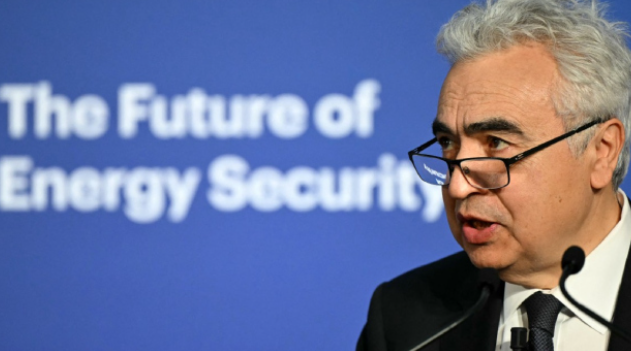
The ongoing Middle East conflict is triggering what Fatih Birol calls the world’s worst energy crisis, surpassing the shocks of 1973, 1979, and 2022 combined.
Speaking to Le Figaro, Birol said this crisis, worsened by Iran’s de facto blockade of the Strait of Hormuz, may speed up the adoption of renewable energy, nuclear power, and electric vehicles globally.
“While it will not immediately solve the crisis, the geopolitics of energy will be profoundly transformed,” Birol noted.
He highlighted that technologies such as solar and wind could be deployed quickly and could see accelerated growth within months.
The IEA chief also urged countries to exercise energy prudence in the short term, warning of a potential “black April” if the strait remains closed throughout the month, which would double the loss of crude oil and refined products compared to March.
Fertiliser shipments, vital for agriculture, are also affected due to the chokepoint’s closure.
Despite the challenges, Birol suggested optimism in how the global energy system may restructure, potentially ushering in a faster transition to cleaner and more resilient energy sources.