Debate over Delta State’s 2026 budget projections shifted focus to the agricultural sector this week, as lawmakers pressed for deeper reforms that would enhance food production and safeguard rural livelihoods across the state.
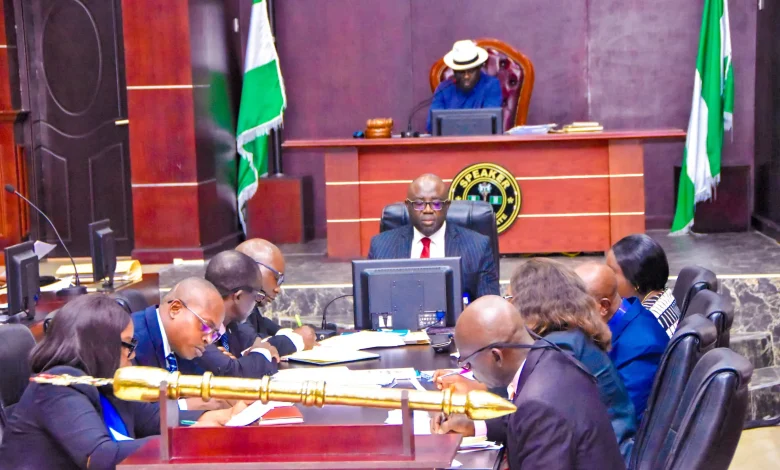
During a budget defence session held in Asaba, the House Committee on Agriculture and Natural Resources scrutinised the ministry’s spending plans and demanded a more assertive approach to tackling food insecurity.
The committee, led by Chief Whip Hon. Perkins Umukoro, emphasized that the new fiscal year must mark a turning point in the government’s agricultural agenda.
Umukoro, addressing the Commissioner for Agriculture and Natural Resources, Mr. Val Areyenka, reminded the ministry that the challenges confronting farmers from low yields to security threats require innovative strategies and consistent implementation.
He maintained that the Assembly expects to see clear improvements when compared with the outcomes delivered in 2025.
Although firm in his assessment, the Chief Whip also signaled readiness for strong cooperation, stating that lawmakers would support programmes that directly improve food output, strengthen rural employment, and boost the state’s economy.
The committee members Hon. Isaac Anwuzia, Hon. Augustine Uroye, and Hon. Alfred Martin, echoed this sentiment, urging the ministry to translate budgetary allocations into measurable results.
On his his part, Commissioner Areyenka assured the legislators that the ministry’s 2026 blueprint is designed to confront both longstanding and emerging agricultural challenges.
He highlighted the government’s intention to reposition livestock management through the adoption of modern ranching models, inspired by insights from a recent study tour to Brazil.
The commissioner noted that such a transition is expected to ease tensions between farmers and herders, increase the efficiency of cattle production, and create a more stable agricultural environment.
He also revealed that improved security systems within farming communities are being prioritized, as the safety of farmers and their assets remains central to revitalizing the sector.
Areyenka projected that with adequate funding and sustained collaboration between the executive and legislative arms of government, Delta State could witness an unprecedented leap in agricultural productivity in 2026.
The session concluded with lawmakers expressing renewed determination to ensure that the state’s agricultural spending translates into meaningful benefits for citizens, particularly those whose livelihoods depend on farming.