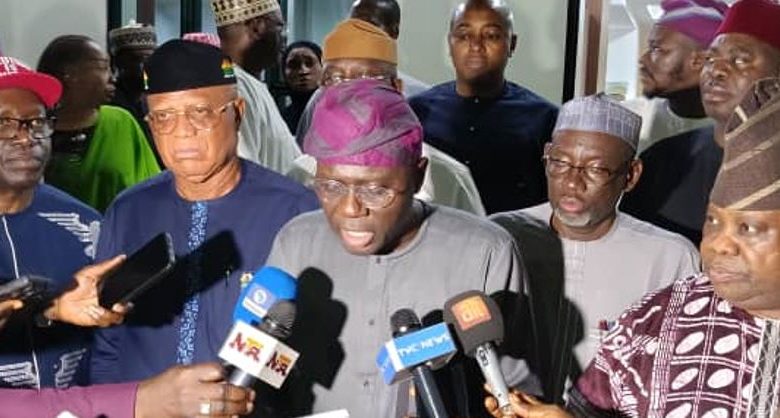
The Nigeria Governors’ Forum (NGF) has announced that all 36 states have increased their education allocations for 2025 to a total of N3.6 trillion, marking a 53 percent rise from the previous year.
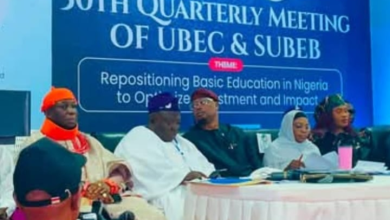
NGF Chairman, Governor AbdulRahman AbdulRazaq of Kwara State, revealed this during the opening of the Nigeria Education Forum in Abuja.
The growth in the budget was described as a “demonstration of commitment to educational reform,” according to remarks delivered on his behalf by NGF Director-General, Dr. Abdulateef Shittu.
AbdulRazaq highlighted the opportunity presented by Nigeria’s youthful population for strategic investment in education, stressing that sustained policy direction is crucial.
He noted that spending on education had risen from N1 trillion in 2022 to N2.4 trillion in 2024, with the 2025 budgets reflecting a significant 69 per cent increase in capital allocations for infrastructure development.
Despite the increase, the NGF cautioned that weak implementation remained a challenge, citing N800 billion in unspent capital funds in 2024.
For 2026, six states—Lagos, Kano, Enugu, Kaduna, Katsina, and Abia—are expected to spend N1.8 trillion on education, with some states planning to allocate up to 32 per cent of their total budgets to the sector.
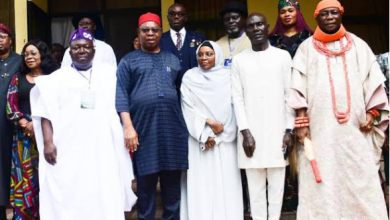
Minister of Education, Dr. Maruf Alausa, represented by Minister of State, Professor Suwaiba Ahmad, emphasised that educational transformation is ongoing through the Nigeria Education Sector Renewal Initiative (NESRI).
He noted progress in six priority areas, including STEMM education, TVET, and quality assurance, while acknowledging persistent challenges such as gaps in access, equity, infrastructure, and teacher development.
Key achievements under NESRI include digitising 202,000 schools on the national EMIS platform, reintegrating 35,000 out-of-school children, training 5,600 TVET teachers, accrediting 479 programs, and enrolling 250,000 students in certified institutions.
Scholarship and bursary programmes have supported hundreds of thousands of students, including 577,863 girls through the AGILE project and 482,342 students under NESRI scholarships nationwide.
The minister stressed the importance of state collaboration to close gaps that hinder progression to secondary school.
He highlighted a concerning trend where only 10 million out of 30 million pupils reach Junior Secondary One, due to insufficient schools, long distances in rural areas, high costs, insecurity, and inadequate state support for foundational education.
Alausa urged states to expand infrastructure, enforce 12 years of compulsory basic education, develop alternative learning pathways, and strengthen teacher deployment to ensure a resilient education system capable of supporting Nigeria’s long-term human capital development goals.