Farouk Ahmed resigns as NMDPRA chief after Dangote’s corruption allegations …Denies claims as ICPC begins probe

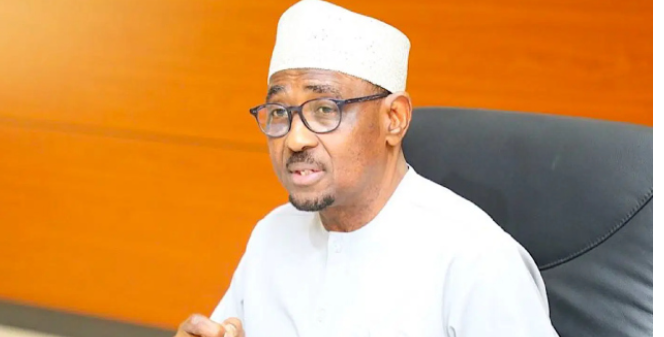
The Managing Director of the Nigerian Midstream and Downstream Petroleum Regulatory Authority (NMDPRA), Farouk Ahmed, has stepped down from office amid mounting corruption allegations brought against him by the President of Dangote Group, Aliko Dangote, even as he maintained that the accusations against him and his family were unfounded.
Ahmed’s resignation was confirmed on Wednesday by the Presidency.
In a statement, the Special Adviser to the President on Information and Strategy, Bayo Onanuga, announced that President Bola Tinubu had accepted his exit and forwarded new nominations to the Senate for confirmation.
Saidu Mohammed was nominated to take over leadership of the NMDPRA, while Oritsemeyiwa Eyesan was named as the new Chief Executive Officer of the Nigerian Upstream Petroleum Regulatory Commission (NUPRC), following the departure of Gbenga Komolafe.
The development came hours after Ahmed paid a brief visit to President Tinubu at the State House in Abuja.
Although the purpose of the visit was not officially disclosed, the former regulator declined comments when approached by journalists.
Before his resignation, Ahmed had publicly rejected the allegations against him, describing them as “wild and spurious.”
In a personally signed disclaimer, he distanced himself from statements circulating in the media and said he would not engage in public exchanges with Dangote.
He stated that, given the sensitive nature of his position, he preferred to allow due process to take its course through formal investigative channels, expressing confidence that such a process would afford him the opportunity to clear his name.
The controversy erupted after Dangote accused the NMDPRA leadership of actions he described as economic sabotage, alleging that regulatory decisions were undermining domestic refining and discouraging local production in favour of continued fuel imports.
He also accused Ahmed of living far beyond his legitimate earnings as a public servant.
In a detailed petition submitted to the Independent Corrupt Practices and Other Related Offences Commission (ICPC) through his lawyer, Dangote alleged that Ahmed spent more than seven million dollars on the education of his four children in Switzerland and other institutions abroad.
He argued that such expenditure raised serious questions about possible abuse of office, corrupt enrichment and breach of the code of conduct for public officers.
Dangote claimed that Ahmed’s lifetime earnings in public service could not justify the alleged level of spending and urged the anti-graft agency to investigate, arrest and prosecute him if found culpable.
The ICPC has since confirmed receipt of the petition and assured the public that it would be thoroughly investigated.
Beyond personal allegations, Dangote also accused the regulator of frustrating local refiners through the continuous issuance of petroleum product import licences, a practice he said perpetuated Nigeria’s dependence on foreign fuel and worked against investments in domestic refining capacity.
The dispute between both men dates back to 2024, when the NMDPRA questioned the quality of products from local refineries, including the Dangote Refinery, and suggested they were inferior to imported products.
Dangote denied the claim, citing independent tests conducted during an oversight visit by lawmakers.
The growing tension prompted the House of Representatives to intervene, summoning both parties and directing them to refrain from further public exchanges, citing concerns over stability in the downstream petroleum sector.
With Ahmed’s resignation, attention has now shifted to the ongoing ICPC investigation and the Senate’s consideration of the President’s nominees, as the Federal Government seeks to calm tensions and ensure effective regulation of Nigeria’s petroleum industry.