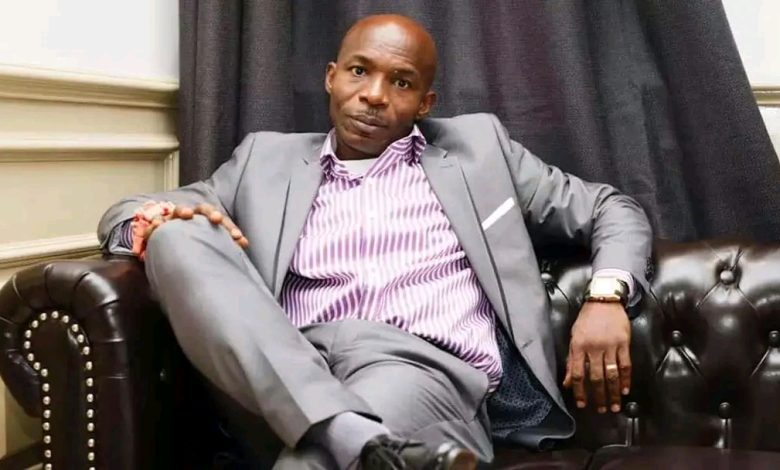

The violent assault and public humiliation of Pedro Obaseki, a media executive and cousin of former Edo State governor Godwin Obaseki, has continued to draw angry reactions from Nigerians across the country, with many condemning the incident as a dangerous return to mob justice and lawlessness.
Since videos of the attack surfaced on social media, public debate has intensified, with citizens, activists, and commentators expressing shock over the manner in which Obaseki was allegedly beaten, stripped, and paraded in public in Benin City, before beingtaken to the Oba’s palace.
Many Nigerians described the incident, especially as police looked helplessly, as degrading, unlawful, and incompatible with democratic values and respect for human rights and dignity.
The attack reportedly occurred on Sunday at Uwa (UBA) Primary School, where Obaseki had gone to play a casual football match.
Witnesses said suspected thugs invaded the area and assaulted him without provocation, on a mondane allegation that at a functionin UK the respectable Bini son at the end of his address to Binis in Londonsaid, Long live Edo people, instead of long live the Oba!
As footage of the incident spread online, outrage grew over scenes showing Obaseki being dragged through the streets and forced to kneel publicly at the palace gate of the Oba of Benin, before some palace chiefsrook him in.
On social media platforms, users questioned how such an act could occur openly in a state capital without immediate intervention by security agencies.
Many commentators criticised what they described as the normalisation of extrajudicial actions, warning that silence or inaction could embolden similar attacks against ordinary citizens.
Public concern was further heightened by reports that no clear accusation or offence was made known before the assault.
Nigerians reacting online argued that even if there had been a dispute or alleged wrongdoing, no individual or group had the right to inflict violence or humiliation outside the law.
Some Edo residents, who see this humiliation as politics and an extention of hatred to his cousin and former governor of Edo State, also expressed discomfort over claims that the attackers labelled Obaseki an “Oghion,” a term loosely described as an enemy of the Oba.
Commentators cautioned against the misuse of cultural or traditional institutions to justify violence, stressing that tradition should not be weaponised against personal liberties.
Although palace chiefs were later said to have intervened and denied authorising the attack, public opinion remained sharply critical.
Many Nigerians insisted that the mere association of the palace with the incident had already damaged public trust and called for clear explanations by the palace to restore confidence.
Reactions intensified after Obaseki narrated his ordeal, describing the experience as an abduction involving armed men.
His account, widely shared online, deepened public sympathy and renewed calls for accountability, especially after he disclosed that his release only came following police intervention who order his bail, sayingthe Oba said he has no charges against the awards winning movie maker.
The response from former governor Godwin Obaseki also fueled national conversation.
His condemnation of the attack as violent and barbaric resonated with many Nigerians, who echoed his call for a thorough investigation and prosecution of all those involved, regardless of status or influence.
Human rights advocates and civil society voices joined the discussion, warning that unchecked mob actions pose a serious threat to the rule of law in the country.
They argued that allowing non-state actors to mete out punishment undermines public safety and sets a troubling precedent.
As of the time of reporting, the absence of an official statement from the Edo State Government, the palace and the Police Command continued to attract criticism.
Many Nigerians have demanded clarity on whether arrests have been made and what steps are being taken to ensure justice.
Overall, the incident has become a flashpoint in broader conversations about human dignity, cultural sensitivity, and the growing fear of extrajudicial punishment in Nigeria, with citizens insisting that accountability and the rule of law must prevail.
Meanwhile, Obaseki has vowed to press charges against the perpetrators.