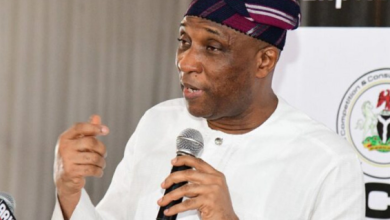
Nigeria’s economy is projected to grow by 4.68 per cent in 2026 as the government pursues investment-driven policies aimed at creating jobs and improving citizens’ welfare, Finance Minister and Coordinating Minister for the Economy, Mr. Wale Edun, has said.
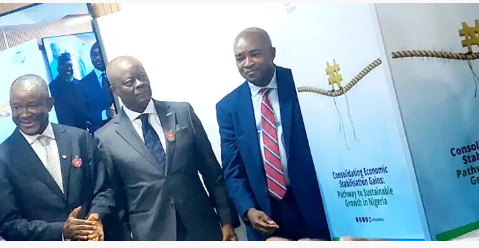
Edun made the announcement during his keynote address at the launch of the Nigerian Economic Summit Group (NESG) Macroeconomic Outlook Report for 2026 in Lagos on Thursday.
He noted that this growth aligns with the government’s medium-term target of achieving seven per cent annual expansion and building a one-trillion-dollar economy by 2030.
The minister projected average inflation at 16.5 per cent and the exchange rate at around N1,400 to dollar.
He stressed that the 2026 budget, titled “Budget of Consolidation, Renewed Resilience and Shared Prosperity,” reflects the administration’s commitment to ensuring macroeconomic improvements translate into tangible benefits for Nigerians, such as improved electricity supply, food availability, and social welfare.
Edun highlighted the government’s focus on driving growth through strategic investments, including a major rollout of over 90,000 kilometres of fibre optic cables in partnership with the World Bank and the Ministry of Communications.
The reforms aim to consolidate macroeconomic stability, strengthen human capital, support vulnerable populations, improve the business environment, and stimulate broad-based economic expansion.
On fiscal performance, Edun said that despite shortfalls in oil and gas revenues, the government prioritised transparency, fiscal federalism, and accountability, ensuring that funds owed to states and local governments were fully disbursed.
Several states recorded budget surpluses of about three per cent, enabling increased spending on health, education, and other public services.
Edun also stressed the importance of domestic resource mobilisation and private sector participation in sustaining growth, noting that the government had implemented digital billing systems and improved tax collection under the new Nigeria Tax Act to broaden the tax base while protecting essential goods and services.
“The path ahead is challenging, but the Federal Government is determined to convert economic stability into inclusive, job-rich growth for Nigerians,” Edun said.