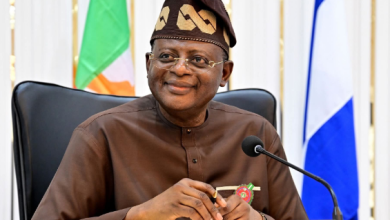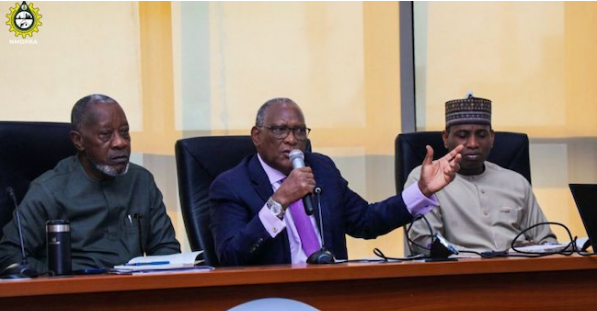
The Chief Executive of the Nigerian Midstream and Downstream Petroleum Regulatory Authority (NMDPRA), Saidu Mohammed, has emphasized that Nigeria must generate between $30 billion and $50 billion daily from its midstream sector to realise its goal of becoming a global hub for oil, gas, and value-added products.
Mohammed made the remarks during an operational visit to midstream and downstream facilities on Wednesday in Port Harcourt by the Authority’s management team, in accordance with provisions of the Petroleum Industry Act (PIA), 2021.
After inspecting the Indorama Eleme Fertilizer and Chemical Limited plant in Rivers State, the NMDPRA chief described the midstream segment as a critical area that demands significant investment to boost national development.
“What we have observed at Indorama exemplifies the type of value addition Nigeria needs.
”We require more plants like this fertilizer and other value-added industries that can drive industrial growth and fully leverage our hydrocarbon resources,” Mohammed said.
He stressed that Nigeria has no justification for importing fertiliser and urea, given its abundant natural gas reserves.
He noted that ongoing expansions at Indorama and other facilities, including Dangote Fertilizer, could transform Nigeria into a major urea exporter within the next two years.
The NMDPRA boss added that the visit was part of the Authority’s mandate to assess the operational status of midstream and downstream infrastructure, strengthen regulatory alignment with licensees, and engage investors to ensure optimal regulatory support.
He also highlighted the Authority’s focus on improving regulatory excellence in the South-South region and promoting health, safety, and operational efficiency across the sector.
Speaking during the visit, Indorama Eleme Fertilizer and Chemical Limited CEO Munish Jindal welcomed the NMDPRA team and highlighted the company’s achievements since starting operations in Rivers State.
Jindal acknowledged past regulatory challenges but praised recent improvements and reaffirmed the company’s commitment to expanding investments and enhancing performance in Nigeria.