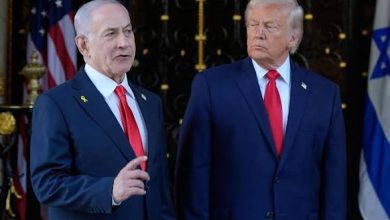
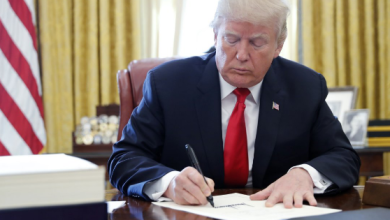
European Parliament halts U.S-EU trade agreement amid rising tensions with Trump administration

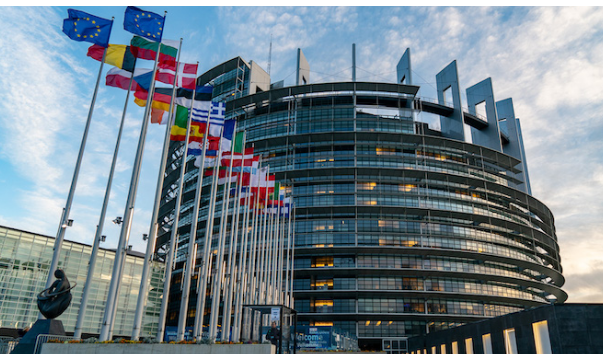
The European Parliament has suspended work on a proposed trade agreement with the United States, marking a significant escalation in transatlantic tensions amid new political and economic disputes with the Trump administration.
The move comes after strong objections from EU lawmakers over President Donald Trump’s recent proposal to purchase Greenland and his threats to impose tariffs on European countries opposing the plan.
In response, the EU legislature has put on hold key legislative proposals linked to the trade deal originally reached in Turnberry, Scotland, at the end of July.
Among the suspended measures are initiatives to remove a broad range of EU import duties on U.S. goods and extend zero-tariff access for U.S. lobster exports, an arrangement first agreed during Trump’s earlier term in 2020.
For the agreement to take effect, it requires approval not only from the European Parliament but also from all EU member states.
Concerns about the deal’s fairness have persisted within the parliament. Several lawmakers have criticised the agreement as heavily tilted in favour of the United States, which continues to maintain a general tariff rate of 15 per cent, while the EU would be obligated to remove most of its import duties.
Despite these concerns, legislators had previously indicated readiness to proceed, provided certain safeguards were included, such as an 18-month sunset clause and mechanisms to respond to sudden surges in U.S. imports.
The European Parliament’s trade committee had been scheduled to vote on its position on January 26 and 27, but those votes have now been postponed.
Speaking at a press briefing on Wednesday, committee chair Bernd Lange said Trump’s renewed threats of tariffs had effectively undermined the Turnberry agreement, noting that the deal would be on hold until further notice.
The suspension carries significant risks for the EU. Halting the agreement could strain relations with Washington further and potentially provoke higher U.S. tariffs.
The Trump administration has reportedly ruled out offering concessions, such as reducing duties on European spirits or steel, until the trade deal is finalised.
With negotiations now frozen, uncertainty looms over the future of EU-US trade relations as both sides assess the potential economic fallout of escalating political disagreements.