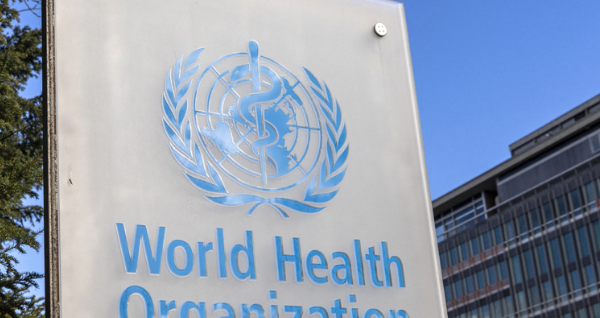
The United States has formally ended its membership of the World Health Organisation (WHO), bringing to a close a year-long withdrawal process initiated by President Donald Trump and marking a significant shift in Washington’s engagement with global health institutions.
The White House confirmed the exit on Friday through a statement published on X, announcing that the withdrawal had taken full effect.
According to the statement, the move fulfils an executive order signed by President Trump one year ago, which directed the U.S. to leave the WHO over what the administration described as the organisation’s poor handling of the COVID-19 pandemic and its failure to implement meaningful reforms.
Reports indicated that the withdrawal became effective on January 22, 2026, after the United States complied with statutory requirements mandating a 12-month notice period.
President Trump had signed the executive order shortly after returning to office, reviving a decision he had first advanced during the height of the coronavirus crisis.
The administration has consistently criticised the WHO, accusing it of lacking independence during the early phase of the COVID-19 outbreak and alleging that it was overly influenced by China.
U.S. officials have also argued that the organisation has resisted reforms aimed at improving transparency, accountability and governance, contending that continued membership no longer served American interests.
The U.S. exit is expected to have far-reaching consequences for global health financing.
The United States had been the WHO’s largest single contributor, accounting for approximately 18 per cent of the organisation’s total budget, according to Reuters.
In response to the funding gap, the WHO has reportedly begun implementing cost-cutting measures, including downsising senior management positions and preparing for staff reductions.
Health experts and policy analysts have raised concerns that the withdrawal could weaken international disease monitoring systems, undermine pandemic preparedness and reduce the effectiveness of coordinated responses to future global health emergencies.
They warn that the absence of U.S. funding and technical support may particularly affect low- and middle-income countries that rely heavily on WHO-led programmes.
The WHO has expressed regret over the decision, while emphasising the importance of continued international cooperation to safeguard global public health and manage cross-border health threats.
Despite these concerns, U.S. officials have maintained that the country will remain engaged in global health through alternative bilateral and multilateral arrangements outside the WHO framework.
The administration argued that the withdrawal would allow Washington to pursue what it describes as more effective, transparent and accountable approaches to international health cooperation.