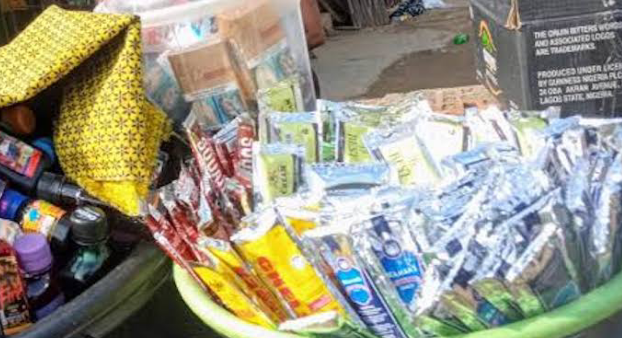
The Manufacturers Association of Nigeria (MAN) has raised serious concerns over the recent actions of the National Agency for Food and Drug Administration and Control (NAFDAC), describing the enforcement of a ban on alcoholic beverages sold in sachets and small PET bottles as detrimental to the economy and local industry.
In a statement issued on Tuesday, MAN Director-General Segun Ajayi-Kadir said the agency’s crackdown is “inimical to the profitable operation of the companies concerned” and could have far-reaching consequences for employment, government revenue, and public access to affordable alcoholic products.
He explained that the ban, implemented despite directives from the Office of the Secretary to the Government of the Federation issued in December 2025, directly contradicts previous resolutions by the House of Representatives, which had suspended punitive measures against sachet and PET-packaged alcoholic beverages following extensive stakeholder consultations.
“By enforcing this ban, NAFDAC is putting jobs and livelihoods at risk, encouraging the proliferation of illicit and unregulated alcohol, and depriving consumers of choice,” Ajayi-Kadir said.
He warned that the move could lead to a surge of smuggled and counterfeit products, undermining public health and reducing government revenue streams.
The director-general emphasised that the advent of sachet alcohol was designed to serve adult consumers on limited budgets, providing a regulated, safe alternative to unmonitored products in larger bottles.
He also noted that local manufacturers have voluntarily invested heavily in public campaigns promoting responsible alcohol consumption, spending over N1 billion to curb underage use of their products.
Speaking on behalf of industry workers, Oyibo Jimoh, President of the Food, Beverages and Tobacco Senior Staff Association, challenged NAFDAC to provide empirical evidence linking sachet alcohol to underage consumption.
He argued that other substances, including codeine syrups and tramadol, remain widely accessible and pose greater public health risks.
Meanwhile, protests continued outside NAFDAC offices in Lagos, reflecting the deep divide on the issue.
One group, believed to be affiliated with the regulatory agency, held placards supporting the ban, citing alleged links between sachet alcohol consumption and juvenile delinquency.
Counter-protests by industry unions insisted that the beverages are hygienically produced, easily traceable, and safer than many imported products that often escape regulation.
Ajayi-Kadir called on the federal government to intervene and ensure that NAFDAC respects the directives from higher authorities and established resolutions.
He described the situation as confusing for operators, who are left uncertain about which rules to follow.
“The unnecessary disruption of our members’ businesses is counterproductive and harmful to the Nigerian economy,” he said.
“It is imperative that NAFDAC exercises restraint and aligns its actions with government directives to protect jobs, regulate the industry properly, and safeguard public health.”
As the debate continues, industry stakeholders insist that their products are compliant, safe, and that a blanket ban could unintentionally exacerbate the very issues it aims to prevent.