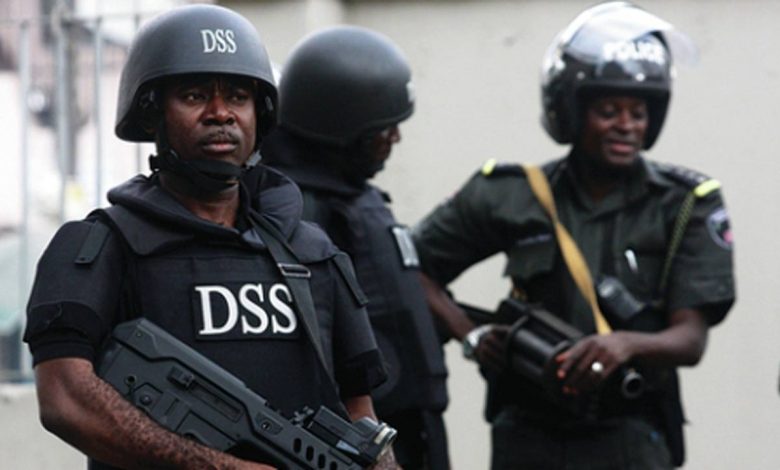
Proceedings at the Federal High Court in Abuja took a dramatic turn on Tuesday as the ongoing trial of rights activist, Omoyele Sowore, raised fresh questions about the consistency of the Department of State Services (DSS) in dealing with public criticism of President Bola Tinubu.
The controversy unfolded during cross-examination of the prosecution’s first witness, a DSS operative identified as Cyril Nosike.
Counsel to Sowore, Marshal Abubakar, introduced video recordings that appeared to contrast sharply with the charges brought against his client.
In open court, Abubakar played video clips extracted from televised interviews in which former presidential aide, Reno Omokri, made strong allegations against President Tinubu.
The recordings, tendered through a flash drive, were watched attentively as the DSS witness observed.
One of the videos featured Omokri during a 2023 interview on ARISE News, where he openly claimed to possess court documents from the United States allegedly linking President Tinubu to drug-related activities.
In another broadcast, Omokri categorically stated that he would never associate politically with the President.
Abubakar used the footage to challenge what he described as selective enforcement of cybercrime laws.
He queried why Omokri, despite making such public claims on national television, was neither arrested nor prosecuted, and was subsequently cleared by security agencies for an ambassadorial nomination.
In contrast, the defence argued, Sowore is standing trial for allegedly making similar claims against the President on social media, which form the basis of the cybercrime charges against him.
When pressed to explain the apparent disparity, the DSS witness admitted under oath that he could not account for why no action was taken against Omokri or how he was later cleared for public office.
The exchange sparked murmurs in the courtroom, as the defence suggested that the case highlighted troubling inconsistencies in the application of the law and raised broader concerns about freedom of expression and equal treatment before the law.
The trial was adjourned for further proceedings.