Akwa Ibom estate proposal sparks broader housing debate By Aniebiet Francis

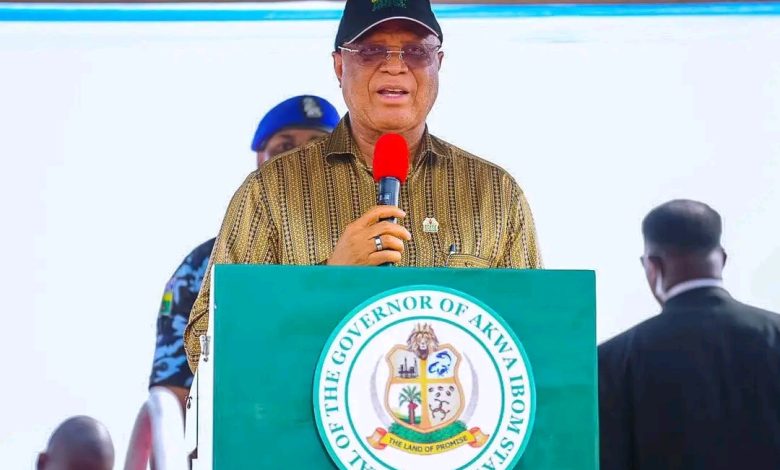
Governor Umo Eno’s move to seek land in Abuja for an Akwa Ibom Estate calls for measured assessment, not heated criticism.
The proposal touches on genuine housing challenges facing many Akwa Ibom residents outside the state.
Abuja has grown into one of Nigeria’s most costly cities for accommodation.
Rents in average neighbourhoods now consume large portions of annual income, especially for civil servants, professionals, traders and young families.
In districts such as Gwarinpa, Utako and Wuye, modest apartments attract millions of naira yearly, excluding additional charges.
For many residents, rent payments end each year without any lasting asset.
Buying land presents an even steeper hurdle. Residential plots in middle-income areas cost tens or hundreds of millions of naira, placing ownership far beyond the reach of most earners.
Cheaper outskirts offer little comfort. Fraud, fake documents, multiple allocations and land disputes remain widespread, leaving many buyers financially ruined after years of savings.
Against this backdrop, the proposed Akwa Ibom Estate takes on clearer meaning.
The initiative is not about abandoning development at home, but supporting citizens wherever they live.
Thousands of Akwa Ibom indigenes contribute to national life from Abuja and other cities.
Public policy, supporters argue, should reflect their economic realities and long-term aspirations.
If properly planned, the estate could tackle affordability and security simultaneously. Government-backed land allocation reduces fraud risks and provides greater confidence for prospective homeowners.
Focusing on low- and middle-income earners could shift families from endless renting to gradual ownership.
Monthly housing costs would build equity instead of disappearing into annual rent.
Critics often miss the wider economic value of property ownership. Housing remains a proven foundation for financial stability, intergenerational wealth and personal security.
Policies that encourage ownership are not extravagant. They are social investments that strengthen citizen welfare and economic resilience over time.
Governor Eno’s approach suggests a broader view of governance. Residence outside Akwa Ibom, supporters insist, should not exclude citizens from progressive state initiatives.
Beyond politics, attention should centre on structure, transparency and effective delivery. With proper safeguards, the estate could serve its intended beneficiaries.
Seen through housing security and economic empowerment, the Abuja estate proposal represents a forward-looking attempt to meet citizens where they are.