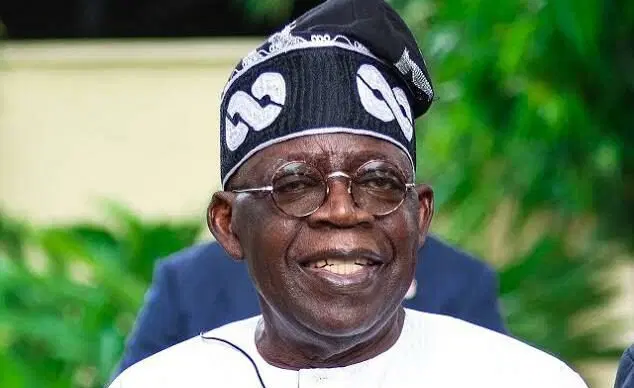
President Bola Tinubu has vowed that his administration will overcome the twin challenges of terrorism and banditry while ensuring economic growth reaches all Nigerians, particularly the most vulnerable.
Speaking at the National Economic Council conference on Inclusive Growth and Sustainable Development at the State House, Abuja, the President reaffirmed his commitment to both national security and broad-based prosperity.
“Insecurity remains a serious threat to our national peace and development,” Tinubu said, highlighting violent crimes and attacks as obstacles to Nigeria’s economic and social progress.
He assured Nigerians that his government is working to strengthen security agencies, improve coordination with state governments, and leverage resilience and determination to defeat what he described as threats to Nigeria’s values.
The President commended the efforts of governors in Borno, Katsina, and Kaduna states, noting their significant role in safeguarding lives, protecting property, and defending the nation’s freedom and shared prosperity.
He warned that persistent insecurity, if left unchecked, could impose a heavy burden on the economy.
At the same time, Tinubu emphasised the importance of inclusive economic growth as a foundation for national stability.
“Our unity and stability depend on growth that reaches the poorest households across all regions,” he said, describing Nigeria’s diversity as a strength that fuels collective national advancement when economic benefits extend to vulnerable citizens.
The President outlined key initiatives under his Renewed Hope National Development Plan 2026–2030, which focuses on human capital development, climate resilience, and subnational competitiveness.
He highlighted infrastructure development in transport, power, housing, digital connectivity, and irrigation as critical drivers of inclusive and sustainable economic growth.
“These projects are central to providing real benefits for citizens and ensuring sustainable progress,” he noted.
Tinubu also spoke about expanded social investment programmes, targeting youths, women, vulnerable households, and small businesses.
He described the Renewed Hope Ward Development Project as a grassroots-focused approach that strengthens collaboration between federal, state, and local governments to achieve measurable development outcomes.
Agricultural modernisation remains a key priority, the President said, promising the deployment of modern farming equipment across all geopolitical zones to boost food production, livestock development, and diversification.
“Our policies aim to stabilise markets, restore investor confidence, and support long-term national growth,” he added.
He credited recent monetary and fiscal reforms for improving revenue distribution and strengthening state and local governments’ capacity to deliver essential services.
Tinubu said that these reforms, although challenging, were necessary to reset the economy and build a fairer, more prosperous Nigeria.
Reiterating his commitment to security, the President declared that tackling terrorism and banditry remains non-negotiable. “National peace is inseparable from economic progress.
Our determination, resilience, and collaboration across government levels will ensure we prevail over insecurity while delivering inclusive growth,” he said.
With a blend of economic planning, social investment, and security strengthening, Tinubu assured Nigerians that his administration is pursuing a realistic, evidence-driven path toward sustainable national development.