The European has approved €22 million in grant funding to support Nigeria’s nationwide fibre-optic rollout under Project BRIDGE.
The grant was announced in Abuja and will be channelled through the European Bank for Reconstruction and Development.
It would be on-granted to the Federal Ministry of Communications, Innovation and Digital Economy.
The package complements an €86 million loan from the bank’s own resources, subject to final approval.
The financing represents the EBRD’s first major sovereign operation in Nigeria since the country became a shareholder last year.
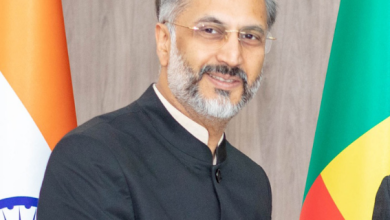
Tijjani described the agreement as a milestone.
He said the BRIDGE project is central to Nigeria’s digital transformation agenda.
According to him, resilient and inclusive broadband infrastructure is critical to economic growth.
EU, EBRD Back Digital Expansion
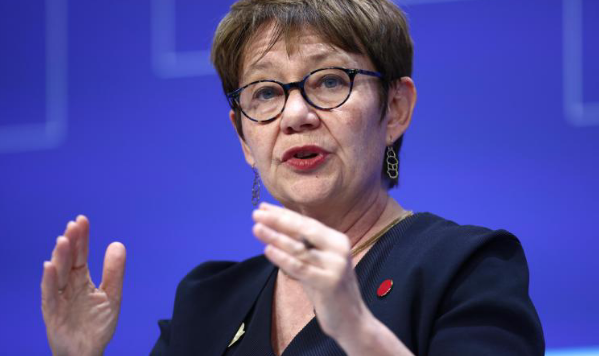
EBRD President Odile Renaud-Basso said the bank was pleased to partner with the EU in Africa’s largest economy.
She noted that the financing includes technical cooperation to attract private capital.
EU Ambassador Gautier Mignot stressed the importance of high-integrity digital systems built to global standards.
He said the partnership reflects shared strategic interests between Nigeria and the EU.
Project BRIDGE aims to deploy 90,000 kilometres of fibre-optic cables nationwide.
The rollout would be executed through a Special Purpose Vehicle backed by sovereign loans and private investment.
Support is also expected from the World Bank and the African Development Bank.
The EU grant would fund low-level design for about 40,000 kilometres of the network.
The package includes route mapping, surveys, digital planning and security risk assessments.
Officials said the preparatory work would allow rapid rollout once financing is finalised.
The vehicle is expected to have at least 51 per cent private sector ownership.
About 2,000 technicians will receive specialised training under the programme.
Authorities estimate the measures could reduce deployment costs by up to 30 per cent.
The initiative forms part of the EU’s Global Gateway strategy supporting digital and human capital investments in partner countries.