The recent signing of the controversial Electoral Act 2026 (Amendment) Bill by President Bola Tinubu has drawn sharp criticism from opposition parties and civil society groups, who say the move threatens the credibility of Nigeria’s forthcoming elections.
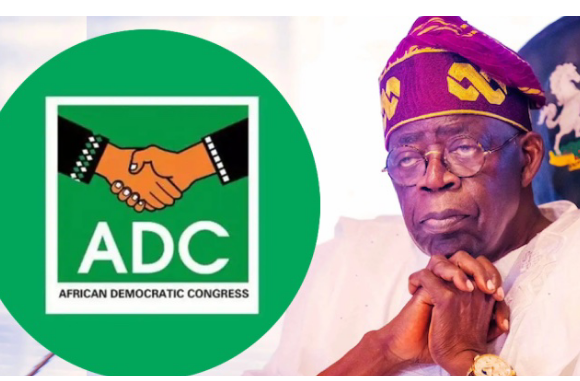
The African Democratic Congress (ADC) described Tinubu’s assent as a “death warrant on credible elections”.
In a statement by its National Publicity Secretary, Mallam Bolaji Abdullahi, the party argued that the hasty approval undermined citizens’ confidence and allowed excessive discretion in result collation and transmission, which could facilitate manipulation during the 2027 elections.
ADC pledged to mobilise Nigerians to safeguard the democratic process, asserting that they were prepared to defend democracy through all constitutional and lawful means.
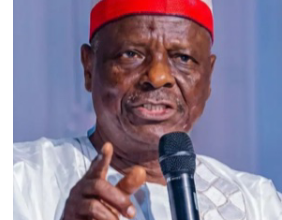
The Kwankwasiyya Movement highlighted the risks posed by unchecked APC dominance in both the executive and National Assembly, exacerbated by defections from other parties.
The group argued that this concentration of power weakens legislative scrutiny and threatens democratic representation.
A coalition of civil society organisations, including Centre for Media and Society (CEMESO), The Kukah Centre, International Press Centre (IPC), ElectHer, Nigerian Women Trust Fund, The Albino Foundation (TAF) Africa, and Yiaga Africa, also condemned the amendment.
Speaking through Jake Epelle of TAF Africa, they criticised the speed and opacity of the legislative process, warning that the law entrenches incumbency advantage, leaves loopholes for manipulation, and risks excluding millions of Nigerians from meaningful political participation.
They described the bill as a missed opportunity for transformative electoral reform.
The Conference of Nigeria Political Parties (CNPP) warned that provisions allowing reliance on Form EC8A during network failures could be exploited to manipulate results, as the amendment does not provide independent verification of network outages.
The collective criticism underscores deep concern among political stakeholders and civil society over the future integrity of Nigeria’s electoral process, with calls for vigilance, accountability, and citizen engagement ahead of the 2027 general elections.