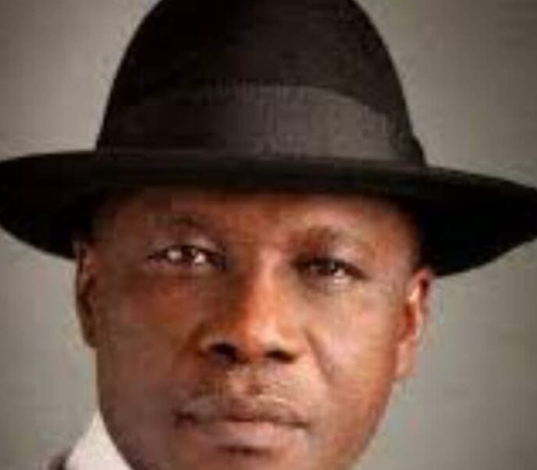
Former Niger Delta Minister, Elder Godsday Orubebe, has disclosed the life-threatening challenges he and former President Goodluck Jonathan faced in 2009 while negotiating the historic amnesty for militants in the Niger Delta.
Speaking to the Ijaw Journalists Association Worldwide (IJAW) at his Ogbubagbene residence in Delta State, Orubebe provided an insider account that counters recent social media narratives crediting non-Ijaws for initiating the programme.
Recalling a critical Executive Council meeting, Orubebe said he was the only official advocating against the military crackdown on militants.
“Everybody was saying these youths are disturbing. I told President Musa Yar’Adua, Sir, you can’t kill them.
”The people only want oil development in their land,” he explained.
Orubebe emphasised that oil exploitation in the Niger Delta had, since 1957, led to the deaths of thousands of local residents.
He persuaded President Yar’Adua to engage directly with militant leaders rather than use force.
Consequently, a five-member committee—three Christians and two Muslims—was formed, with Orubebe serving as committee chair.
“The first step was prayer and fasting for two weeks. Then we went to the creeks, staying in militant camps. Militancy was at its peak. Boats were under gunfire.
”God saved us,” he recounted. The delegation met leaders across Delta, Akwa-Ibom, and other states, culminating in a three-day summit at Tompolo’s Camp 5 in Gbaramatu Kingdom.
Orubebe conveyed President Yar’Adua’s promise to develop the region if militants guaranteed peace.
The militants requested that Vice President Goodluck Jonathan meet them personally without armed security.
Despite objections from service chiefs, Orubebe insisted Jonathan undertake the mission, framing it as a historic sacrifice for Nigeria.
“The Vice President went, and that meeting marked the beginning of the Amnesty Programme you see today,” Orubebe said.
He lamented that the current programme diverged from its original intent, which was focused on training militants and reintegrating them constructively.
“Somewhere along the line, priorities shifted toward monetary incentives. The original design was misfired,” he stated.
Orubebe’s revelations underscore the high-stakes efforts and personal risks involved in establishing one of Nigeria’s most significant peace initiatives in the Niger Delta, highlighting his role as a pivotal actor in the region’s journey toward stability.