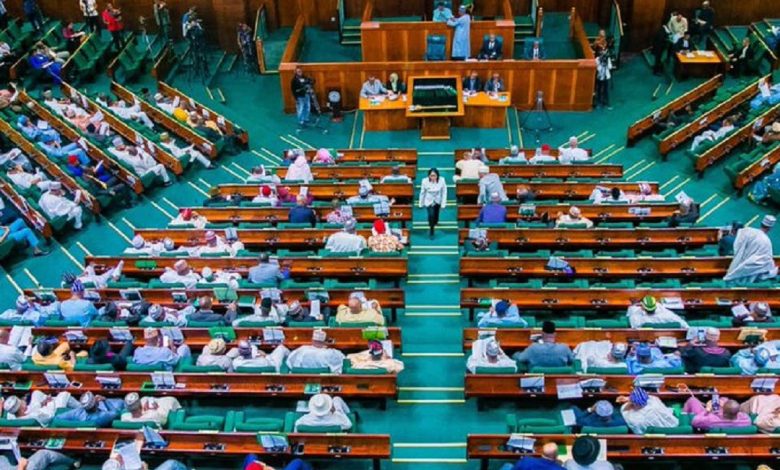
The National Assembly has unveiled sweeping reforms in the Electoral Act 2026, introducing mandatory electronic transmission of results and strengthening the independence of the electoral umpire.
President Bola Tinubu assented to the bill within 24 hours of its transmission, concluding what lawmakers described as a rigorous two-year legislative and consultative process.
Senate Leader Opeyemi Bamidele said the reforms followed consultations with the Independent National Electoral Commission, the Office of the Attorney-General, civil society groups and development partners.
He explained that both chambers harmonised contentious provisions, particularly Clause 60(3), to prevent legal uncertainty ahead of preparations for the 2027 general elections.
Under Section 3, the law establishes a dedicated fund for INEC to guarantee financial autonomy and operational stability.
It mandates the release of election funds at least six months before general elections and empowers the commission to review results declared under duress or procedural breaches.
Section 47 makes the use of the Bimodal Voter Accreditation System or any INEC-approved technology compulsory for voter accreditation.
Section 60(3) provides for mandatory electronic transmission of results to the INEC Result Viewing Portal, while offenders who obstruct the process face a six-month jail term or N500,000 fine.
The kawmakers clarified that the Result Viewing Portal enhances transparency but does not serve as a collation centre.
Where technology fails, Form EC8A may be used.
The Act requires Resident Electoral Commissioners to release certified true copies of documents within 24 hours of payment, with violations attracting a minimum two-year jail term.
It also prescribes penalties ranging from N500,000 to N2 million or two years’ imprisonment for vote buying, impersonation and result manipulation.
The legislation abolishes indirect primaries, retaining only direct and consensus options for political parties.
Parties must maintain digital membership registers and submit them to INEC at least 21 days before primaries, failing which they risk disqualification from fielding candidates.
Campaign expenditure ceilings were revised upward, with presidential candidates now capped at N10 billion and governorship candidates at N3 billion.
The law also imposes a N10 million fine on parties that fail to submit accurate audited financial returns within stipulated timelines.
The Act introduces gender-separated queues where culturally required and establishes support measures for voters with visual impairments.
Bamidele said the reforms consolidate Nigeria’s electoral framework, deepen transparency and strengthen institutional accountability ahead of the 2027 polls.