Gov Diri marks 6 years of quiet, transformation leadership in Bayelsa By Daniel Alabrah

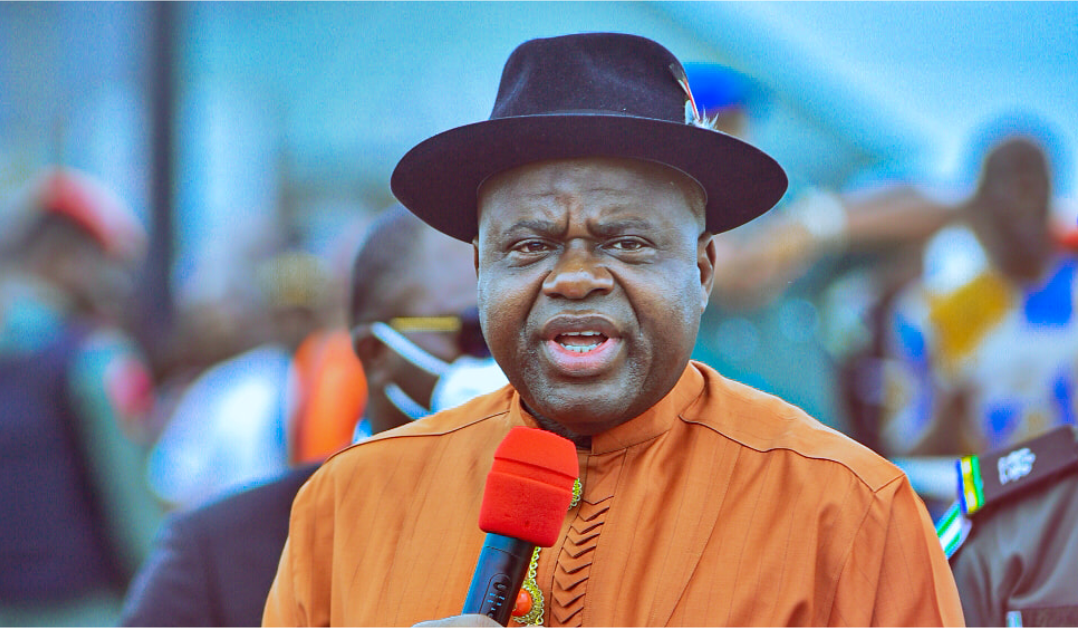
February 13, 2020, remains a day etched in the memory of Bayelsans. Less than 24 hours before the scheduled inauguration of a new governor, a five-man panel of the Supreme Court of Nigeria declared Senator Douye Diri the rightful winner of the November 16, 2019 governorship election conducted by the Independent National Electoral Commission (INEC).
What followed was far from ceremonial pomp. Instead, it was the beginning of a six-year journey of quiet yet profound transformation, a silent revolution that has reshaped the state across infrastructure, governance, security, agriculture, power, youth empowerment, and social cohesion.
Under Governor Diri’s stewardship, Bayelsa has been guided not by slogans but by thoughtful, deliberate action.
He embraced inherited projects, completing them efficiently while initiating a wave of new developments that now connect the state’s communities, urban centres, and hinterlands.
As President Bola Tinubu prepares to visit Bayelsa on Friday, April 10, 2026, the timing underscores the tangible outcomes of a steady, visionary administration.
Bayelsa’s physical transformation is visible in roads and bridges that link previously isolated areas. Key projects include:
Yenagoa-Oporoma-Ukubie Road (22.2 km) and Angiama-Oporoma Bridge across the River Nun.
Angiama-Otuan and Angiama-Eniwari-Fonibiri corridors opening eastern communities.
Sagbama-Ekeremor Road (42 km) with five new bridges and Ekeremor-Agge Road ending long-standing isolation.
Nembe-Brass Road and Nembe Unity Bridge reconnecting the eastern districts.
Within Yenagoa, infrastructure has reshaped the capital: Glory Drive Phases II & III, dualised New City Roads 1–6, Igbogene-AIT/Elebele Outer Ring Road, and Isaac Boro Expressway signal modernity while respecting local roots.
Over 200 new concrete roads now crisscross Yenagoa and rural areas, while Ox-Bow Lake-Agbura and Polaku-Sabagreia projects link riverine communities to the mainland.
Governor Diri has modernised governance with the nine-storey Secretariat Complex, Ernest Ikoli Media Complex, Finance House, Labour House, and BHIS Administrative Complex.
Judges’ Quarters were remodelled, a new High Court Complex named after Justice Ungbunku was completed, and civil servants benefit from dedicated canteens, housing schemes, and transport support.
Salaries, pensions, and gratuities are disbursed promptly, and promotions are implemented fairly.
Training programmes, including intensive driving courses for officers, have strengthened capacity while uplifting morale.
Diri’s administration treats civil servants as partners in the state’s progress.
Bayelsa’s agricultural sector has received a major boost. Initiatives include support for cassava, rice, and plantain cultivation; rice farms in Otuasega, Amassoma, and Imiringi Road; and rice mills at Niger Delta University and Federal University, Otuoke.
Over 3,500 farmers across eight local governments received land and seedlings through partnerships with the Central Bank of Nigeria.
Other notable projects include:
Cassava starch processing factory at Ebedebiri.
Training over 400 Bayelsans in modern farming techniques in Nasarawa and Ogun States.
Operation Light-up Bayelsa has brought solar streetlights to previously dark areas, enhancing safety, commerce, and education.
The state is also developing an independent 60-megawatt gas-powered electricity plant, to be inaugurated by President Tinubu.
Security improvements include:
Provision of over 80 patrol vehicles and motorbikes.
Installation of CCTV cameras across the capital.
Formation of Bayelsa Community Safety Corps, integrating vigilante and volunteer forces.
Bayelsa is now regarded as one of Nigeria’s safest states.
Over 10,000 youths have been trained in vocational skills, while 366 beneficiaries received starter packs through the SDG office.
Additionally, 420 small business owners (four from each of the 105 wards) receive N400,000 monthly, fostering economic inclusion.
Sports development has united Bayelsans, with milestones including:
Bayelsa United and Bayelsa Queens winning the 2021 AITEO Cup.
Blessing Oborududu’s Olympic silver medal.
National and international basketball successes from local schools.
Grassroots programmes like the Prosperity Cup and the Bayelsa State Sports Festival have nurtured talent from creek to capital.
Healthcare initiatives include referral hospitals in Kaiama, Oporoma, and Ekeremor, as well as upgraded primary health centres.
Education reforms have achieved:
Accreditation of all 71 programmes at Niger Delta University.
New science and technical colleges offering free tuition, feeding, and uniforms.
ICT partnerships training 12,000 teachers.
Integration of Ijaw language into school curricula.
Governor Diri has fostered unity by ensuring equitable distribution of projects across senatorial districts and local governments.
Bayelsa today reflects a shared vision of progress, reconciliation, and prosperity.
Senator Douye Diri has not just governed Bayelsa; he has nurtured it.
Roads, lights, schools, and hospitals are not just infrastructure, they are lifelines that empower citizens, connect communities, and signal a state rising steadily, quietly, and purposefully.
Six years on, the miracle of 2020 continues, not in fanfare, but in tangible results.
The “Glory of all Lands” is ascending, and its governor walks alongside, steady, compassionate, and unyielding in purpose.
Alabrah is Chief Press Secretary to the Governor of Bayelsa State.