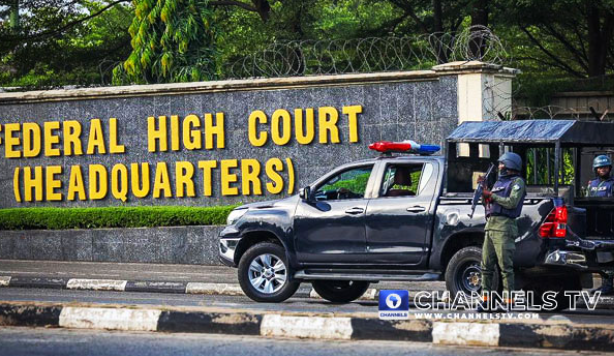
The Federal High Court sitting in Abuja has convicted 386 terrorism suspects following a series of mass trials conducted over four days.
The convictions were confirmed by the Attorney General of the Federation and Minister of Justice, Lateef Fagbemi, who disclosed that a total of 508 defendants were arraigned before 10 different courts between Tuesday and Friday.
According to him, the convicted individuals received varying sentences ranging from five years imprisonment to life terms, depending on the severity of the offences established against them.
Eight defendants were discharged, while two others were acquitted.
Fagbemi stated that an additional 112 suspects whose cases were not concluded during the exercise would be included in the next phase of trials scheduled to hold between June 15 and 18, 2026.
He that the large-scale prosecution and sentencing of the suspects sends a strong warning to criminal elements, stressing that Nigeria would not tolerate acts of terrorism or related offences.
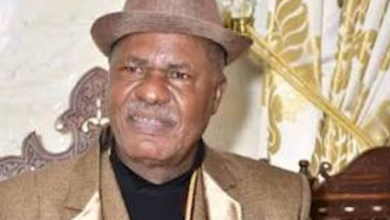
The latest development coincided with the conviction of a former senatorial candidate in Borno State, identified as Babagana Habeeb, who was sentenced to 10 years imprisonment for aiding terrorist activities.
Habeeb, a fuel trader based in Maiduguri, was found guilty by Justice Peter Odo Lifu on a one-count charge of supporting terrorism by supplying fuel to members of the Boko Haram insurgent group.
During proceedings, the defendant admitted to the offence and pleaded for leniency, informing the court that he had been in detention for over a decade without contact with his family, which includes two wives and six children.
Counsel to the Federal Government, David Kaswe, opposed the plea, arguing that the support provided by the convict contributed to loss of lives and displacement of victims, and urged the court to impose a 20-year sentence.
In his ruling, Justice Lifu noted that there was no evidence linking Habeeb directly to membership of the terrorist group or participation in armed activities, but held that the act of supplying fuel constituted support for terrorism.
He subsequently sentenced the defendant to 10 years imprisonment, ordering that the term take effect from the date of his arrest and initial detention.