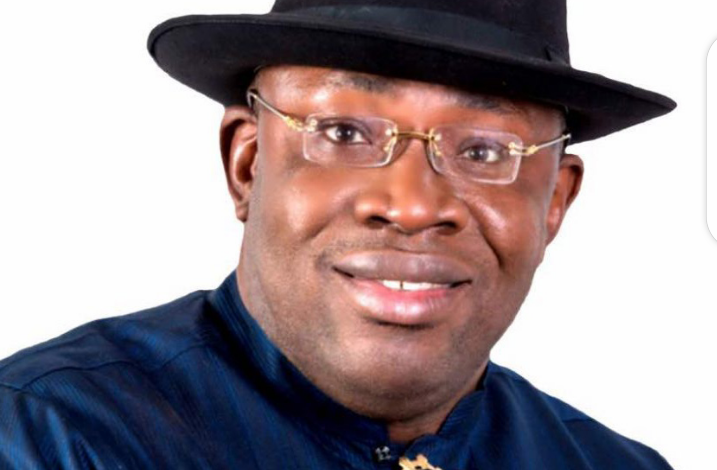
Senator Seriake Dickson’s anticipated resignation from the Peoples Democratic Party (PDP) has triggered intense political debate across Bayelsa State, with party loyalists, opposition figures, and political analysts weighing in on the far‑reaching implications of the decision.
Dickson, a former governor of Bayelsa and one of the PDP’s most influential figures in the Niger Delta, is widely expected to defect to the New Democratic Congress (NDC) ahead of the 2027 general elections.
A move that could significantly reshape the political landscape in the oil‑rich state.
A Blow to PDP’s Stronghold
Sources close to the senator confirm that Dickson has grown increasingly disillusioned with internal rifts within the PDP leadership, particularly tensions over candidate selection and control of party structures in Bayelsa.
His potential departure has sparked concerns among PDP strategists, who fear the loss of one of their most seasoned campaigners might weaken the party’s grip on the state.
“Senator Dickson has been the anchor of our political fortunes in this region,” a senior PDP official, who asked not to be named.
“His exit will create a void that will be difficult to fill.”
In contrast, leaders of the NDC have publicly welcomed the possibility of Dickson joining their ranks, describing it as a “significant boost” to their ambitions in Bayelsa and beyond.
“The senator’s experience and popularity are assets that will strengthen our platform,” said an NDC spokesperson.
“We look forward to an official announcement and will support his vision for inclusive governance.”
Political analysts argued that Dickson’s move could galvanise fresh alliances, especially among younger voters and disenchanted PDP supporters.
Dr. Okwudili Okafor, a political commentator at the University of Port Harcourt, suggested that the shift reflects broader frustrations within traditional party structures.
“This is not just about one man,” Okafor said. “It highlights deep undercurrents of change in Nigerian politics where ideological alignment is giving way to strategic realignments ahead of critical elections.”
Bayelsa, long considered a PDP stronghold, could emerge as a key battleground in the 2027 polls if Dickson’s move draws significant support away from his former party.
With gubernatorial and national legislative seats up for grabs, both the PDP and NDC are already intensifying grassroots campaigns and coalition building.
Local residents have expressed mixed reactions.
Supporters of Dickson said the shift could bring renewed focus on development and accountability, while others warn that it risks fracturing the political unity that has defined Bayelsa for years.
“I’ve always voted PDP,” said Mrs. Martha Ogbonna, a market trader in Yenagoa.
“But if Dickson believes change will benefit us, then we should listen. Politics is about the people, not just party labels.”
As the story evolves, the coming days are expected to bring formal statements from Dickson’s camp, clarification on his political future, and renewed efforts by rival parties to court undecided voters.