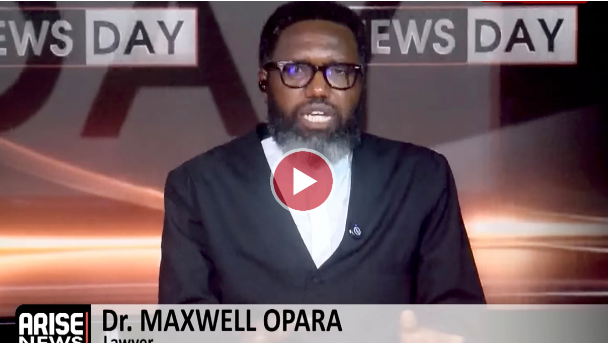
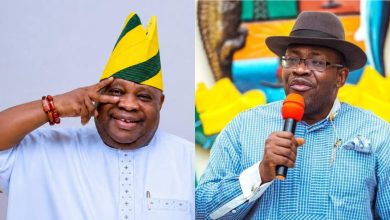
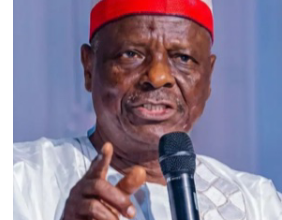
Maxwell Opara, a legal expert, has described the growing political interactions between Peter Obi and Rabiu Kwankwaso as part of early strategic consultations that could shape opposition alliances and influence the 2027 presidential race.
Speaking in an interview on Arise News on Tuesday, Barr. Opara noted that in the current political climate, it is difficult to separate social or ceremonial visits from political strategy, emphasising that most high-level engagements carry political significance.
He explained that activities such as meetings, visits, and public appearances were often carefully calculated steps in broader political maneuvers, particularly during a period when key actors are positioning themselves ahead of future elections.
“Everything is all about politics, because it’s a political season,” Opara said.
Opara stressed that coalition-building remains central to strengthening Nigeria’s democratic system.
A united opposition, he argued, could provide a strong counterbalance to the ruling party while promoting better governance outcomes.
He further emphasised that successful political alliances require compromise, noting that leadership ambitions sometimes need to be set aside for collective objectives.
“Who is ready to sacrifice his ambition for another person to move will determine the success of any coalition,” he said.
Referencing historical political developments in Nigeria, Opara highlighted that strategic sacrifices have long played a critical role in shaping successful movements and electoral outcomes.
He added that for any coalition to function effectively, stakeholders must agree on clearly defined roles and leadership structures, warning that disputes over ambition often undermine such arrangements.
Opara also expressed concern that Nigeria currently lacked a truly coordinated opposition, describing this as a major weakness in the country’s political system.
“A strong and organized opposition would compel the ruling party to remain accountable,” he said, noting that vibrant political competition is vital for democratic growth.
Linking voter participation to the credibility of political actors, he observed that citizens are more likely to engage in elections when they have confidence in the candidates presented to them.
Opara noted that the success of any potential coalition between political actors such as Obi and Kwankwaso would ultimately depend on their willingness to cooperate and present a unified, clear front to the electorate.
Maxwell Opara, a legal expert, has described the growing political interactions between Peter Obi and Rabiu Kwankwaso as part of early strategic consultations that could shape opposition alliances and influence the 2027 presidential race.
Speaking in an interview on Arise News on Tuesday, Barr. Opara noted that in the current political climate, it is difficult to separate social or ceremonial visits from political strategy, emphasising that most high-level engagements carry political significance.
He explained that activities such as meetings, visits, and public appearances were often carefully calculated steps in broader political maneuvers, particularly during a period when key actors are positioning themselves ahead of future elections.
“Everything is all about politics, because it’s a political season,” Opara said.
Opara stressed that coalition-building remains central to strengthening Nigeria’s democratic system.
A united opposition, he argued, could provide a strong counterbalance to the ruling party while promoting better governance outcomes.
He further emphasised that successful political alliances require compromise, noting that leadership ambitions sometimes need to be set aside for collective objectives.
“Who is ready to sacrifice his ambition for another person to move will determine the success of any coalition,” he said.
Referencing historical political developments in Nigeria, Opara highlighted that strategic sacrifices have long played a critical role in shaping successful movements and electoral outcomes.
He added that for any coalition to function effectively, stakeholders must agree on clearly defined roles and leadership structures, warning that disputes over ambition often undermine such arrangements.
Opara also expressed concern that Nigeria currently lacked a truly coordinated opposition, describing this as a major weakness in the country’s political system.
“A strong and organized opposition would compel the ruling party to remain accountable,” he said, noting that vibrant political competition is vital for democratic growth.
Linking voter participation to the credibility of political actors, he observed that citizens are more likely to engage in elections when they have confidence in the candidates presented to them.
Opara noted that the success of any potential coalition between political actors such as Obi and Kwankwaso would ultimately depend on their willingness to cooperate and present a unified, clear front to the electorate.