The Socio-Economic Rights and Accountability Project (SERAP) and the Nigerian Guild of Editors (NGE) have urged the Federal Government, state authorities, and the Minister of the Federal Capital Territory to strengthen protection for journalists and urgently address rising insecurity and human rights violations across parts of Nigeria.
The call followed a conference held at the Radisson Blu Hotel in Ikeja to mark World Press Freedom Day, themed “the Role of the Media in Promoting People’s Rights, Accountability, and Access to Justice in the Context of Growing Insecurity in Nigeria.”
In a joint statement, both organisations stressed that “protecting journalists and safeguarding information integrity are central drivers of peace, security, and democratic stability.”
They added that “any credible peace, recovery, or security strategy in Nigeria must integrate support for free, independent, and pluralistic media alongside humanitarian, institutional, and economic responses.”
The groups expressed concern over worsening insecurity in parts of northern Nigeria, including Benue, Borno, Kwara, Plateau and Sokoto states, citing killings, abductions, sexual violence, forced displacement, and destruction of property.
They noted that “thousands have reportedly been killed and millions displaced,” adding that rural communities and vulnerable groups, particularly women and children, continue to bear the greatest burden of violence.
According to them, these developments reflect systemic failures to prevent foreseeable harm, protect communities, investigate violations, prosecute perpetrators and their sponsors, and ensure access to justice and effective remedies for victims.
They also argued that such conditions violate provisions of the Nigerian Constitution, the African Charter on Human and Peoples’ Rights, and the International Covenant on Civil and Political Rights.
The organisations warned that the persistence of impunity is worsening insecurity and weakening public trust in governance structures.
“The humanitarian consequences remain severe: communities destroyed, livelihoods lost, and victims left without effective remedies,” the statement added.
SERAP and NGE insisted that authorities at all levels have both constitutional and international obligations to protect journalists and end insecurity.
They called on the administration of President Bola Tinubu, state governors, and the FCT minister to ensure due diligence in preventing abuses, investigating violations, and holding perpetrators accountable.
The groups also referenced UNESCO’s 2026 World Press Freedom Day theme, “Shaping a Future of Peace,” describing a free press as essential to democratic stability and development.
They warned that attacks on journalists and shrinking civic space contribute to misinformation, corruption, and governance breakdown.
“When journalists are targeted, corruption thrives, accountability declines, and misinformation spreads,” they said, adding that “information violence often precedes physical violence.”
They emphasised that protecting journalists is central to tackling insecurity and strengthening democracy.
The statement also cited constitutional guarantees under Sections 22 and 39, which uphold press freedom and expression, stressing that authorities must actively protect media practitioners.
SERAP and NGE called for independent investigations into all human rights violations, prosecution of offenders and sponsors, and compensation for victims, including rehabilitation and guarantees of non-repetition.
They further urged improved transparency in security operations and full compliance with constitutional and international obligations.
The groups also recommended the establishment of public reporting systems to track incidents of abuse, and called for Nigeria to invite UN and African Commission special rapporteurs for independent fact-finding missions.
They also asked the National Assembly to hold urgent public hearings on insecurity and attacks on journalists under its oversight powers.
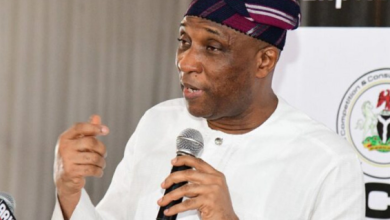
Human rights lawyer, Femi Falana, speaking at the event, warned that impunity fuels further violence.
“Entire communities are being destroyed in several parts of the north while perpetrators operate with little or no consequences. Impunity is not just a failure of justice—it is a driver of further violence,” he said.
Falana added that governments that fail to protect citizens weaken their legitimacy, stressing that journalists remain key partners in exposing abuse and strengthening democracy.
Participants at the session, including media professionals and civil society actors, pledged support for implementing the recommendations.