Nigeria Considers Debt Refinancing Amid Strong Oil Prices, Confidence – Oyedele

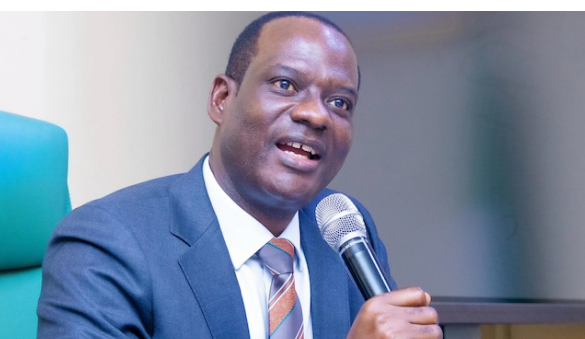
Nigeria is weighing plans to refinance portions of its costly debt and raise new funding to cover its budget deficit, as rising crude oil prices and improved investor confidence create more favourable borrowing conditions.
The Minister of Finance and Coordinating Minister of the Economy, Mr. Taiwo Oyedele, said the government is considering restructuring expensive legacy loans while also accessing additional financing to support development spending.
Speaking in an interview with Bloomberg TV, Oyedele explained that current global and market conditions present an opportunity for Nigeria to improve its debt structure and mobilise resources for economic growth.
He noted that authorities are taking advantage of what he described as relatively strong market sentiment, adding that conditions could change quickly, making the present moment suitable for financing decisions.
The renewed optimism is linked in part to a surge in global crude oil prices driven by geopolitical tensions in the Middle East, which has boosted earnings for oil-exporting countries like Nigeria.
Higher oil revenues have strengthened Nigeria’s external position and improved perceptions among international investors, leading to a decline in risk premiums on Nigerian dollar-denominated bonds compared to U.S. Treasuries.
Despite these gains, the government still faces a budget shortfall estimated at around N30 trillion this year, prompting continued borrowing considerations.
Oyedele said Nigeria is exploring multiple funding options, including concessional loans from multilateral lenders such as the World Bank, while ongoing reforms continue to attract foreign interest.
Since 2023, the administration has implemented policy changes including fuel subsidy removal, tax reforms, and foreign exchange adjustments aimed at stabilising public finances and boosting revenue.
However, analysts noted that rising oil prices, while beneficial for government income, have also contributed to global inflationary pressures and increased fiscal challenges in delivering public services and infrastructure.
At the same time, Nigeria could face new external trade pressures after the United States Trade Representative proposed a 12.5 per cent tariff on Nigerian exports over concerns linked to alleged weak enforcement of forced labour regulations.
The proposal, part of a wider review covering multiple countries under U.S. trade law, suggests additional duties for nations considered not to have effective systems preventing the importation of goods produced with forced labour.
According to the U.S. authorities, countries with stronger compliance frameworks would face lower tariffs, while others without adequate enforcement mechanisms, including Nigeria under the proposal, could be subject to higher charges.
U.S. officials argue that such gaps distort global trade and place American businesses at a disadvantage, while also undermining efforts to eliminate forced labour in international supply chains.
The proposal, however, is still under review and has not yet been implemented.