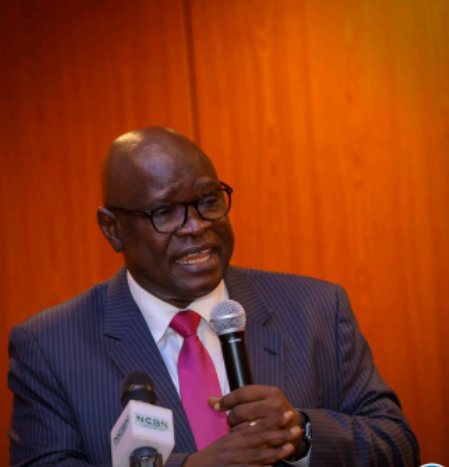
Professor Peter Terkaa Akper (SAN), Dean of the Faculty of Law at Hensard University, Toru-Orua, Bayelsa State, has reinforced the institution’s growing national profile after leading a key committee at a national workshop aimed at strengthening anti-corruption education in Nigeria’s legal system.
Professor Akper played a central role at the ICPC/Nigerian Law School Zonal Workshop on Integrating the Teaching of Anti-Corruption in Nigerian Universities and the Nigerian Law School, held in the historic city of Kano between June 25 and 26, 2026.
The workshop, themed “Institutionalising Anti-Corruption Education in Nigerian Legal Training,” brought together senior academics, legal practitioners, representatives of anti-corruption agencies and policy experts to develop strategies for embedding integrity and accountability into legal education.
The initiative is part of broader efforts to equip future lawyers with the knowledge and ethical orientation required to combat corruption and promote good governance.
In recognition of his expertise in legal education, Professor Akper was selected to chair Thematic Group Three, one of the technical committees responsible for drafting recommendations for a new anti-corruption curriculum.
His committee was specifically mandated to design a framework for teaching anti-corruption either as a stand-alone course or by integrating it into existing law programmes across Nigerian universities and the Nigerian Law School.
After extensive deliberations, the committee produced a comprehensive report recommending the introduction of a four-unit anti-corruption course to be taught over two academic semesters.
The report also proposed the integration of anti-corruption principles into 11 existing law courses, ensuring that issues of transparency, ethics and accountability become an integral part of legal training rather than being treated as isolated topics.
The proposed curriculum covers a wide range of contemporary issues, including the concept and various forms of corruption, causes and consequences of corrupt practices, illicit financial flows, asset tracing and recovery, money laundering, whistleblower protection, transparency mechanisms and international legal frameworks.
It also highlights the importance of global instruments such as the United Nations Convention Against Corruption (UNCAC) and the African Union Convention on Preventing and Combating Corruption in shaping Nigeria’s anti-corruption legal regime.
Beyond curriculum content, the committee recommended practical and interactive teaching methods to improve students’ understanding of anti-corruption laws and institutions.
These include the use of case studies, moot court competitions, classroom simulations, research projects, clinical legal education and guest lectures by judges, prosecutors and officials from anti-corruption agencies, allowing students to gain firsthand insights into the realities of combating corruption.
The committee’s recommendations have since been compiled into a formal report submitted for consideration as part of ongoing efforts to reform legal education and strengthen the capacity of future legal professionals to address corruption effectively.
Speaking after the workshop, Professor Akper described the assignment as both an honour and a valuable opportunity to contribute to national legal education reforms.
He noted that his participation also provided a platform to introduce Hensard University’s relatively young Faculty of Law to leading academics and stakeholders across the country.
He expressed appreciation to the management of Hensard University for its unwavering support and confidence in his ability to represent the institution at the national assignment.
He also commended members of his committee for their dedication and collaborative efforts in producing recommendations that could significantly influence the future of legal education in Nigeria.
Professor Akper’s leadership at the national workshop marks another milestone for Hensard University as it continues to expand its influence in legal scholarship, research and public policy.
His contribution underscores the university’s commitment to producing graduates equipped with the ethical values, professional competence and leadership qualities needed to strengthen the rule of law and advance the fight against corruption in Nigeria.