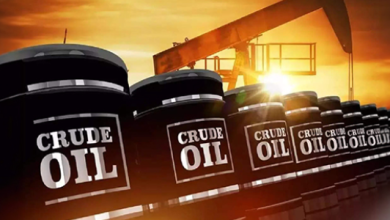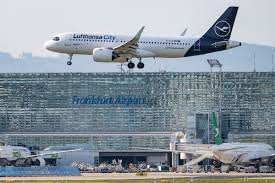
The European Union is preparing emergency intervention measures to prevent a potential jet fuel shortage as the ongoing Iran crisis disrupts global energy supply chains and threatens air travel across Europe ahead of the peak summer season.
Officials within the European Commission are reportedly developing plans to increase refinery output and ensure that existing fuel production facilities operate at maximum capacity.
According to a draft proposal cited by Reuters, the EU will introduce bloc-wide monitoring of refining operations from next month, alongside measures aimed at guaranteeing full utilisation and maintenance of available capacity.
The move comes amid growing warnings from European airlines that jet fuel shortages could emerge within weeks if disruptions in the Strait of Hormuz continue.
The strategic waterway is critical to global energy transport, and its instability has already tightened fuel supply markets.
Europe is particularly vulnerable, relying on the Middle East for approximately 75 percent of its jet fuel imports, making aviation fuel more exposed to disruption than other transport energy sources.
Prices for jet fuel have risen sharply in recent days following reduced shipments through the strait.
Airlines have warned that prolonged shortages could force higher ticket prices, flight delays, and even flight cancellations if supply conditions worsen.
In the United States, President Donald Trump suggested on Wednesday that the conflict may be nearing an end, saying observers should expect an “amazing two days,” even as military pressure continues on vessels leaving Iranian ports.
The International Energy Agency has warned that if only half of usual Middle Eastern supply is replaced, shortages could begin as early as June.
Analysts, however, cautioned that alternative suppliers in Africa and the United States are unlikely to fully compensate for the shortfall.
Airline executives have also raised concerns about fuel logistics at European airports, where limited storage capacity and short-term supply planning could worsen the situation.
Some airports have reportedly warned that disruptions could begin within three weeks if the Strait remains closed to fuel shipments.
Lufthansa’s Chief Technical Officer, Grazia Vittadini, told Reuters that suppliers are already shortening forecasting timelines due to uncertainty in the market.
“Our (jet fuel) suppliers are changing their forecasting windows, and they’re no longer keen to give an outlook over a time window that goes beyond one month,” she said.
Airports have responded cautiously. Heathrow Airport stated that operations have not yet been affected but confirmed that it is closely monitoring developments.
Paris Charles de Gaulle operator Groupe ADP did not immediately comment on the situation.
The crisis highlights Europe’s declining refining capacity, which has been affected by reduced domestic oil production and a broader shift toward cleaner energy policies.
Many refineries are reportedly operating at near-maximum output for jet fuel already, leaving little room for rapid expansion.
Supply conditions also vary across Europe.
Spain, which operates eight refineries, remains a net exporter of jet fuel, while countries such as the United Kingdom rely heavily on imports for more than 60 percent of their consumption.
Airlines have urged the European Union to strengthen fuel monitoring systems and consider joint purchasing arrangements for kerosene to stabilise supply.
Although EU member states are required to maintain strategic oil reserves covering 90 days of consumption, there is currently no dedicated requirement for jet fuel stockpiles, a gap industry stakeholders say could become critical if the crisis persists.