Iran has accused the United States of violating an existing ceasefire agreement following a fresh wave of overnight strikes targeting Iranian missile facilities and mine-laying boats in southern Iran.
The renewed tensions have cast fresh doubts over ongoing diplomatic efforts aimed at ending months of conflict involving Iran, the United States, and Israel.
Iranian authorities said explosions were reported overnight in the southern port city of Bandar Abbas near the strategically important Strait of Hormuz, one of the world’s most critical oil and gas shipping routes.
In a statement, Iran’s foreign ministry accused the U.S. military of carrying out what it described as “illegal and unjustified actions” despite the ceasefire arrangement reached earlier in April.
“The U.S. terrorist army, continuing its illegal and unjustified actions since the ceasefire, has committed a gross violation of the ceasefire in the Hormozgan region,” the ministry stated, warning that Tehran would not leave any aggression unanswered.
Iran’s Islamic Revolutionary Guard Corps also claimed that its forces shot down an American drone that entered Iranian airspace and fired at a U.S. F-35 fighter jet operating in the region.
The latest escalation triggered immediate reactions in global energy markets, with Brent crude prices reportedly jumping by more than four percent amid fears of instability around the Strait of Hormuz.
The United States Central Command confirmed carrying out the strikes, saying the operations were conducted in self-defence to protect American troops from threats posed by Iranian forces.
According to CENTCOM spokesman Tim Hawkins, the targets included missile launch sites and boats allegedly attempting to deploy naval mines.
Despite the renewed hostilities, U.S. Secretary of State Marco Rubio said diplomatic talks were still ongoing and that a broader agreement remained possible.
Speaking during a visit to India, Rubio disclosed that discussions were taking place in Qatar to resolve disagreements over the wording of a proposed peace framework.
“There were some talks going on in Qatar today, so we’ll see if we can make progress,” Rubio told reporters, while insisting that freedom of navigation through the Strait of Hormuz must be maintained.
Iranian media outlets also reported that negotiators were discussing the possible release of approximately $24 billion in frozen Iranian assets as part of a proposed 14-point memorandum aimed at ending the conflict.
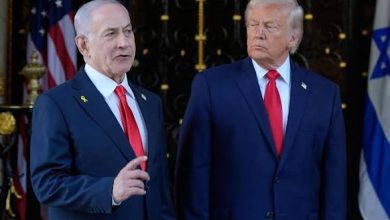
Meanwhile, tensions in the wider Middle East continued to deepen after Israeli Prime Minister Benjamin Netanyahu vowed to intensify military operations against Hezbollah in Lebanon.
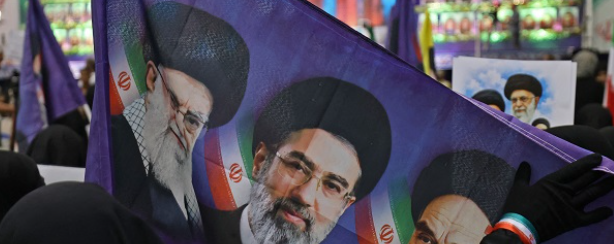
Iran has reportedly insisted that any broader regional peace agreement must also address the fighting in Lebanon.
In another development, internet monitoring group NetBlocks confirmed a partial restoration of internet services in Iran after what observers described as one of the longest nationwide internet shutdowns in recent history.
Iranian officials later acknowledged that steps had been taken toward restoring international internet access for citizens after months of restrictions imposed during the conflict.
The escalating tensions continue to raise concerns among global powers and international observers over the possibility of a wider regional confrontation that could further destabilize the Middle East and disrupt global energy supplies.